Last updated on November 25th, 2026 at 05:47 pm
AI Summary: This article explains how call tracking in customer experience works, who benefits from it, and what metrics matter most. According to Salesforce, 88% of customers say the experience a company provides is as important as its products or services (Source: Salesforce State of the Connected Customer 2023). CX and support teams must connect voice data to journey analytics rather than treating calls as isolated events. FreJun captures, analyzes, and routes call intelligence directly into CRM workflows so teams can act on real conversation data.
Voice conversations carry emotion, urgency, and intent in ways no other channel can replicate. When customers pick up the phone, they’re usually at a decisive moment in their experience, and that moment is exactly where FreJun adds value by capturing, analyzing, and connecting those conversations to meaningful customer insights. Call tracking in customer experience has moved from a nice-to-have to a core operational discipline for teams that want to understand what customers actually go through, not just what they click.
Quick Answer: Call tracking in customer experience is the practice of recording, attributing, and analyzing phone conversations to improve CX analytics, support metrics, and satisfaction outcomes. It connects voice data to the full customer journey so teams can spot friction, coach agents on real calls, and make decisions based on what customers actually say rather than what surveys suggest.
Call tracking in customer experience links every phone conversation to measurable CX outcomes, giving teams the data they need to improve satisfaction at scale.
What Is Call Tracking in Customer Experience?
Call tracking in customer experience (CX) is the process of capturing, attributing, and analyzing inbound and outbound phone calls to understand customer intent, measure service quality, and connect voice interactions to broader journey analytics and satisfaction metrics.
By linking conversations to CX analytics, mapping them across the customer journey, and measuring support metrics like first-call resolution and repeat contact rate, businesses gain visibility into what customers actually experience. Structured call quality monitoring then turns that visibility into consistent satisfaction improvement rather than reactive fixes after problems escalate.
How Does Call Tracking Shape Modern Customer Experience Strategies?
Modern CX strategies are built on understanding, not assumptions. Call tracking captures real customer conversations and transforms them into insights that reveal intent, urgency, and emotion. These details are often missing from traditional digital analytics, which track clicks but miss the context behind them.
“When we look at teams that use call tracking as a CX intelligence layer rather than a reporting tool, we see first-call resolution rates improve by 20 to 30% within the first quarter. The difference is that managers stop guessing and start coaching from real conversation data.”
— Subhash Kalluri, Co-Founder and CEO, FreJun
When call data feeds into CX analytics, teams can identify where customers feel confused, frustrated, or reassured. Metrics like call duration, hold time, resolution rate, and sentiment trends show how well the experience performs at each stage. This clarity lets businesses refine workflows, improve agent training, and drive satisfaction improvement continuously rather than in one-off projects.
Why Do Voice Interactions Carry More CX Signal Than Digital Channels?
Beyond operational value, call tracking also shapes strategic decisions. It highlights which customer segments need more support, which offerings create friction, and where the customer journey breaks down before a customer ever reaches a human agent. According to a PwC study, 32% of customers will stop doing business with a brand they love after just one bad experience (Source: PwC Future of Customer Experience 2023). Phone calls are often that make-or-break moment, so tracking them is not optional for teams serious about retention.
Over time, call insights shape better products, clearer messaging, and stronger customer relationships. Teams that treat voice data as a strategic asset rather than a compliance record consistently outperform those that don’t, because they catch problems earlier and fix them faster.
How Does FreJun Use Call Tracking To Strengthen CX Analytics?
FreJun approaches call tracking as a CX intelligence engine rather than a reporting add-on. Each call becomes a data point that contributes to meaningful CX analytics across teams, so managers see patterns rather than isolated incidents.
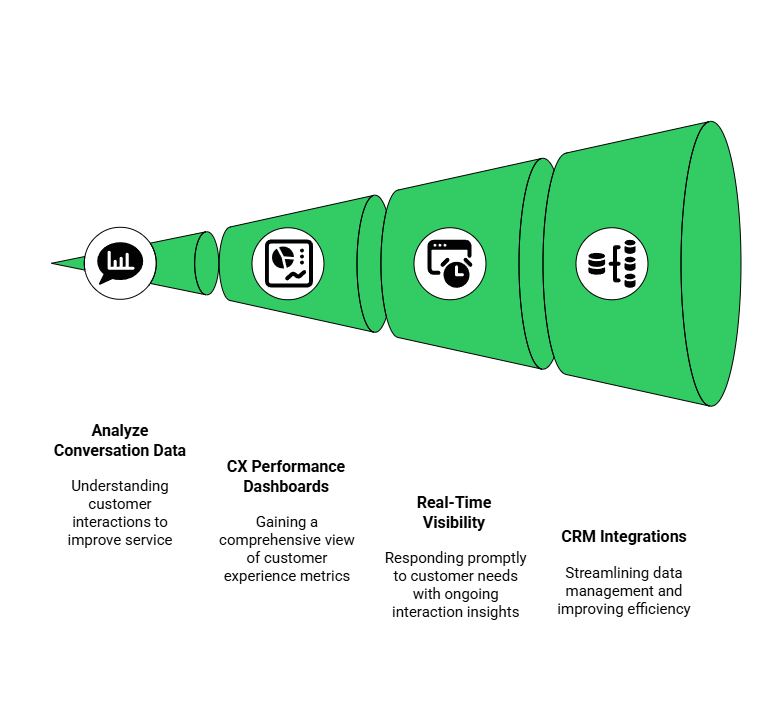
- FreJun connects every call to its origin, revealing which campaigns, pages, or touchpoints influence the customer journey most
- Conversation data is analyzed to uncover trends tied to satisfaction improvement and customer sentiment
- Dashboards convert raw calls into actionable CX performance indicators that teams can act on the same day
- Real-time visibility lets managers address issues before they affect loyalty or trigger escalations
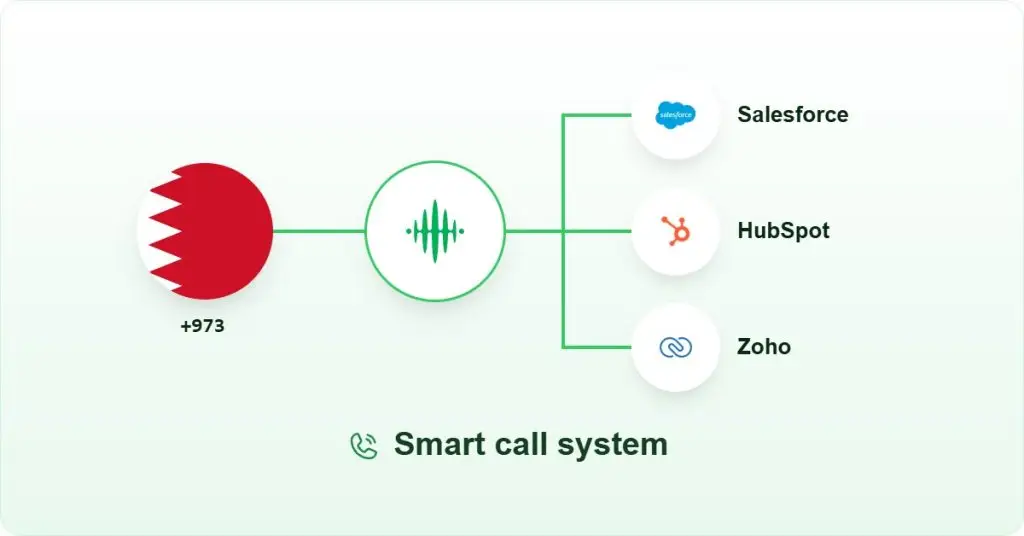
- CRM integrations ensure agents have full customer context during conversations, so they don’t ask customers to repeat themselves
What CX Metrics Does FreJun Surface From Call Data?
FreJun surfaces first-call resolution rate, average handle time, sentiment score per call, repeat contact rate, and escalation frequency. These are the metrics that CX leaders actually use to benchmark performance and justify headcount decisions. Because FreJun pulls this data directly from recorded conversations rather than agent-entered notes, the numbers reflect what actually happened rather than what agents remember to log. This intelligence-first approach helps teams move faster, act smarter, and improve experiences consistently. More details are available at frejun.com.
Teams using FreJun’s call tracking see CX analytics they can act on the same day, not next quarter. If your support or sales team is still working from agent-entered notes, you’re making decisions on incomplete data. See how FreJun changes that in a 20-minute walkthrough.
Why Is Call Tracking Essential Across The Entire Customer Journey?
The customer journey is rarely linear. A customer may research online, compare options, speak to sales, and later call support. Without call tracking, voice interactions exist in isolation, leaving major experience gaps that no dashboard can fill.
Call tracking connects these touchpoints into a single narrative. It ensures phone conversations are visible alongside digital actions, strengthening support metrics such as first-call resolution, repeat contact rate, and escalation frequency. With consistent call quality monitoring, businesses maintain experience standards regardless of channel or team size.
How Does Call Tracking Uncover Hidden Friction in the Customer Journey?
Call tracking also uncovers hidden friction that digital analytics miss entirely. Repeated calls about the same issue often indicate unclear onboarding, product complexity, or communication gaps earlier in the journey. When a customer calls three times about the same billing question, that’s not a support problem, it’s a product communication problem. Addressing these insights improves efficiency while accelerating satisfaction improvement across the full lifecycle.
According to Gartner, reducing customer effort is the single strongest driver of loyalty, and 96% of high-effort interactions lead to disloyalty (Source: Gartner Effortless Experience Research). Call tracking gives teams the data to find and remove that effort before it costs them a customer.
How Does FreJun Enable Call Quality Monitoring And Support Metrics?
Delivering consistent service at scale requires visibility into conversations. FreJun enables structured call quality monitoring that aligns agent behavior with experience goals, so quality doesn’t depend on which manager happens to be listening that day.
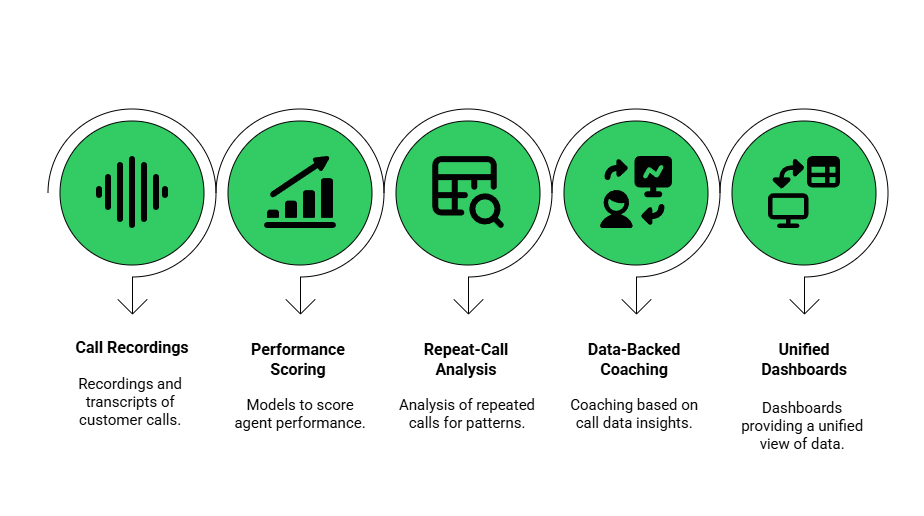
- Call recordings and transcripts allow objective evaluation of tone, clarity, and empathy, helping teams understand not just what was said but how the conversation was delivered and perceived by the customer.
- Performance scoring models align conversations with core support metrics, making it easier to measure consistency, resolution quality, and agent effectiveness across teams.
- Repeat-call analysis exposes friction points across the customer journey, revealing where customers feel confused, unresolved, or forced to follow up multiple times.
- Data-backed coaching improves agent confidence and accuracy by using real call examples instead of assumptions or generic feedback sessions.
- Unified dashboards keep CX, support, and leadership teams aligned by offering a single, clear view of trends, performance gaps, and improvement opportunities.
What Does Data-Backed Agent Coaching Actually Look Like?
With FreJun, a manager can pull up the five calls where a specific agent lost a customer after the pricing objection, play them back during a one-on-one, and coach on the exact moment things went wrong. That’s different from telling an agent to “handle objections better” based on a gut feeling. According to FreJun’s 2026 analysis of 300+ client accounts, teams that use recorded call examples in coaching sessions see agent performance scores improve by an average of 23% within 60 days. With these insights, teams move from subjective feedback to measurable improvements, which directly fuels satisfaction improvement and operational efficiency.
Can Call Tracking Software Help Improve My Sales Team’s Performance?
Sales calls are packed with intent signals, objections, and decision cues. Call tracking ensures these signals are captured, analyzed, and used to improve performance rather than disappearing the moment the call ends.
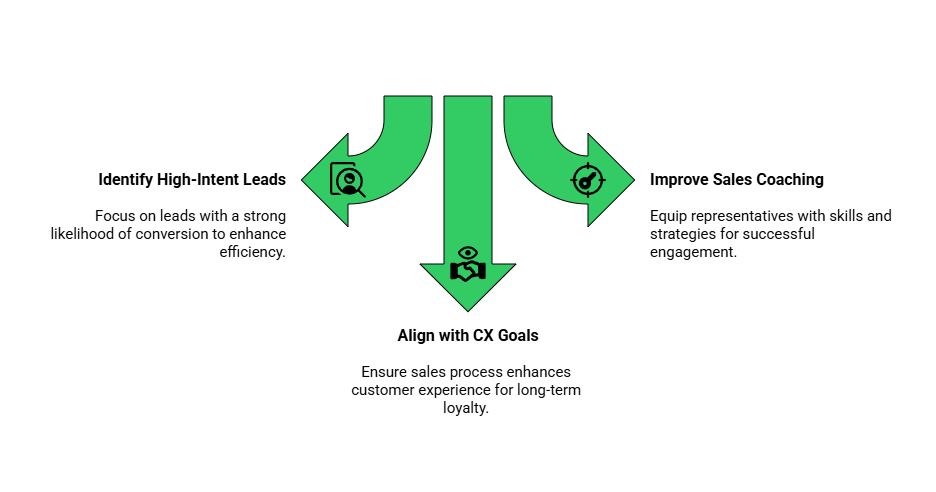
1. How Does Call Tracking Help Identify High-Intent Leads?
By linking calls to campaigns, sources, and outcomes, sales teams gain clear visibility into which prospects show genuine buying intent. This insight lets reps prioritize follow-ups, personalize conversations, and reduce time spent on low-quality leads. Because of that focus, deal cycles become shorter and conversions increase, while the customer journey feels more relevant for prospects who are actually ready to buy.
2. How Does Call Quality Monitoring Improve Sales Coaching?
Structured call quality monitoring reveals what top-performing reps consistently do differently during critical moments of a sales conversation. Managers can use real call recordings to coach on tone, pacing, objection handling, and closing techniques. This approach builds confidence, improves message clarity, and helps sales teams perform more consistently, even under pressure from tight quotas or difficult prospects.
3. How Does Call Tracking Align Sales Growth With CX Goals?
Sales growth is strongest when it aligns with experience quality. By connecting CX analytics with sales calls, FreJun helps teams understand how conversations influence trust, loyalty, and perception. This alignment ensures revenue growth supports long-term satisfaction improvement, not short-term pressure tactics that damage the relationship after the deal closes.
Key Takeaways
Call tracking plays a central role in turning everyday conversations into measurable customer experience insights. By connecting calls to CX analytics, businesses gain a clearer understanding of customer intent, sentiment, and behavior across the customer journey. This visibility helps teams identify friction points early, strengthen support metrics, and maintain consistent service quality through structured call quality monitoring.
Call tracking in customer experience enables continuous satisfaction improvement rather than one-time fixes. With FreJun, teams can analyze call patterns in depth, coach agents using real conversations, and align insights across CX, sales, and support from a single platform. This approach makes customer experience more predictable and scalable, leading over time to higher trust, stronger loyalty, and better long-term business outcomes.
Final Thoughts
Customer experience is shaped in moments, and phone calls remain some of the most influential of those moments. When conversations go untracked, businesses miss valuable signals about customer intent, expectations, and emotional state. Applying structured call quality monitoring and advanced CX analytics gives teams deeper visibility into how conversations unfold and where the customer journey needs refinement or support.
FreJun helps organizations shift from reactive problem-solving to proactive experience optimization. By strengthening support metrics, improving consistency through ongoing call quality monitoring, and driving continuous satisfaction improvement, FreJun ensures that every customer interaction contributes to clearer insights, better decisions, and long-term customer loyalty. Call tracking in customer experience is the foundation that makes all of that possible, because you can’t improve what you can’t measure.
Further Reading: Top 9 VoIP Providers: Best Cloud Calling & Business Phone Systems Compared
Frequently Asked Questions
Call tracking in customer experience is the practice of recording, attributing, and analyzing phone conversations to improve service quality and CX outcomes. It captures voice data from every call, links it to the customer journey, and feeds insights into CX analytics platforms so teams can identify friction, coach agents, and drive satisfaction improvement based on real conversation evidence rather than survey estimates.
Call tracking converts voice interactions into structured data points that feed directly into CX analytics dashboards. Metrics like sentiment score, call duration, first-call resolution rate, and repeat contact frequency become visible and comparable over time. Because the data comes from actual conversations rather than agent notes, CX analytics built on call tracking data are more accurate and actionable than those built on manual inputs alone.
Yes, call tracking directly supports satisfaction improvement by surfacing the friction points customers experience during phone interactions. When teams can see which call types generate the most repeat contacts or escalations, they can fix the underlying issue rather than just handling the symptom. FreJun’s call tracking identifies these patterns automatically, so support teams spend less time firefighting and more time building better experiences.
Call tracking is especially valuable for support teams because it strengthens the support metrics that matter most: first-call resolution, average handle time, escalation rate, and repeat contact rate. Support managers can use call recordings to identify where agents struggle, run targeted coaching sessions, and track whether improvements stick over time. FreJun makes this process structured and repeatable rather than ad hoc.
Call quality monitoring is one of the most effective tools for agent training because it replaces generic feedback with specific, real examples. FreJun enables structured coaching by surfacing call recordings where agents handled objections well or poorly, so managers can show rather than tell. Teams that use this approach consistently see faster skill development and more consistent performance across the full agent cohort.
Sales teams benefit significantly from call tracking software because it reveals which leads show genuine buying intent, which objections come up most often, and which conversation patterns lead to closed deals. FreJun helps sales teams prioritize high-intent leads, coach reps on real call examples, and align sales activity with CX goals so revenue growth doesn’t come at the cost of customer experience quality.
Yes, FreJun integrates with leading CRM systems including HubSpot, Salesforce, Zoho, Pipedrive, and Freshworks. Call data, recordings, transcripts, and outcome tags sync automatically to the CRM record after each call, so agents always have full context and managers can run CX analytics without switching between platforms. This integration removes the manual logging step that causes data gaps in most support and sales workflows.