Last updated on September 10th, 2026 at 03:26 pm
AI Summary: This article explains how CRM integration in call routing works, who benefits from it, and what measurable outcomes teams can expect. According to Salesforce, companies using intelligent routing with CRM data see first-call resolution rates improve by up to 30% (Source: Salesforce 2024). Support and sales teams must connect their CRM to their call routing system before they can deliver context-aware, personalized service at scale. FreJun makes this connection direct, logging every call automatically and surfacing customer history before the agent picks up.
Picture a support agent picking up a call with zero context about the customer on the other end. No purchase history, no open tickets, no idea whether this person called three times last week. That scenario plays out thousands of times a day in teams that haven’t connected their CRM to their call routing system. CRM-integrated call routing fixes this by pulling customer data into the routing decision itself, so calls land with the right agent every time, not just by chance.
Quick Answer: CRM integration in call routing connects your telephony system to customer records so incoming calls are directed based on real data: purchase history, open tickets, customer tier, and agent expertise. The result is fewer misroutes, faster resolutions, and personalized service on every call, without agents needing to ask customers to repeat themselves.
CRM integration in call routing uses live customer data to match every incoming call with the agent best equipped to resolve it, cutting misroutes and reducing average handle time.
What is CRM Integration in Call Routing?
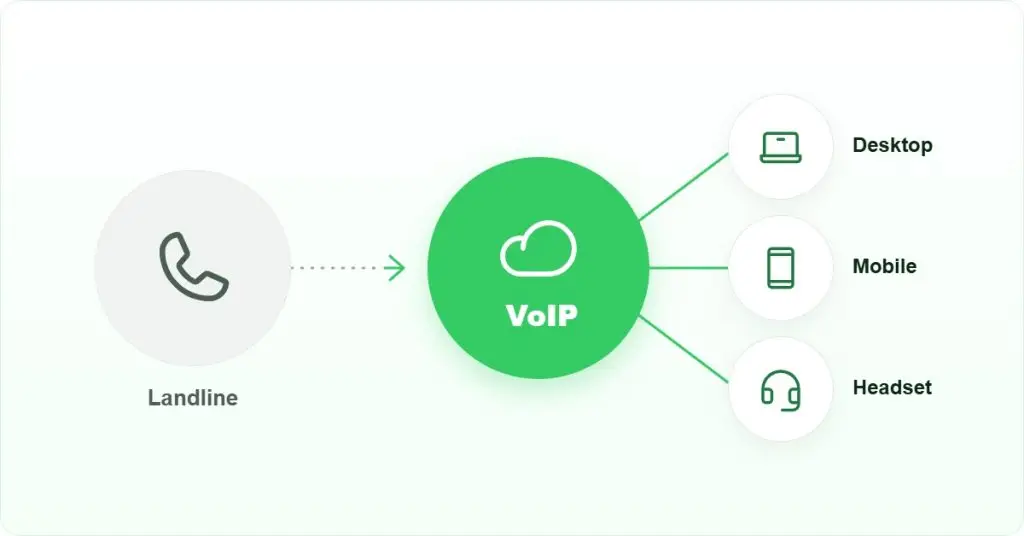
CRM integration in call routing is the connection between a telephony system and a customer relationship management (CRM) platform that allows incoming calls to be directed based on caller history, account status, and agent skills, rather than simple queue order.
How Does CRM Integration Improve Call Routing Accuracy?
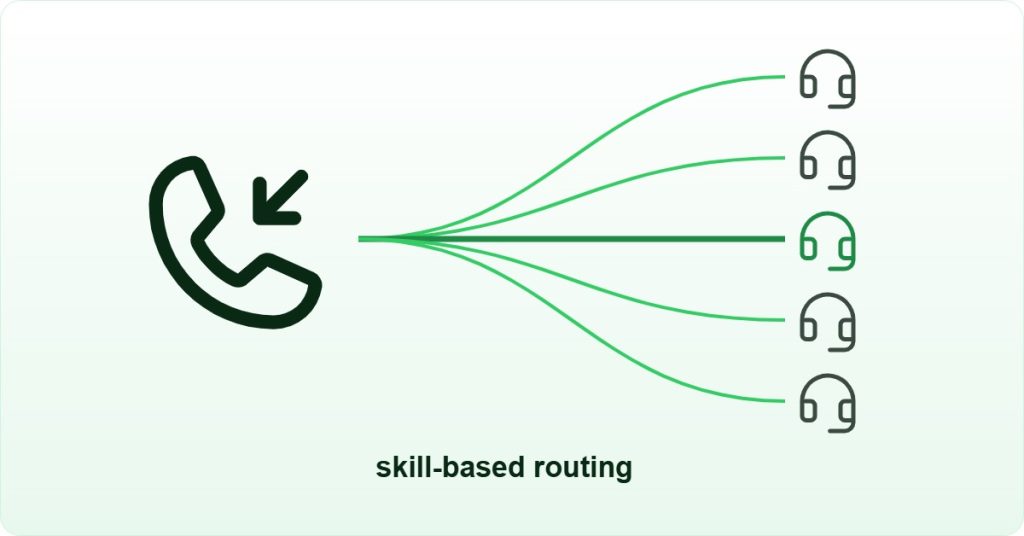
CRM integration allows call routing systems to match incoming calls with the most appropriate agents based on real customer context. By accessing historical customer data and caller insights, calls get directed based on agent expertise, customer value, or the type of query. This precision reduces misroutes, prevents unnecessary transfers, and ensures every call starts with the agent already briefed.
For instance, a returning customer with a recent order issue gets routed directly to a specialist who already knows the purchase details. Technical or billing questions go automatically to trained agents. This level of CRM telephony integration means every call gets handled efficiently, while reducing both agent stress and customer frustration.
“When agents see the full customer record before they say hello, resolution time drops sharply. We’ve seen teams cut average handle time by 20% within the first month of connecting their CRM to call routing, because agents stop asking questions the system already knows the answers to.”
– Subhash Kalluri, Co-Founder and CEO, FreJun
What Routing Decisions Does CRM Data Enable?
By linking call routing to CRM insights, businesses can make routing decisions that were impossible with basic IVR (Interactive Voice Response) menus alone. According to Salesforce, intelligent routing with CRM data improves first-call resolution rates by up to 30% (Source: Salesforce 2024).
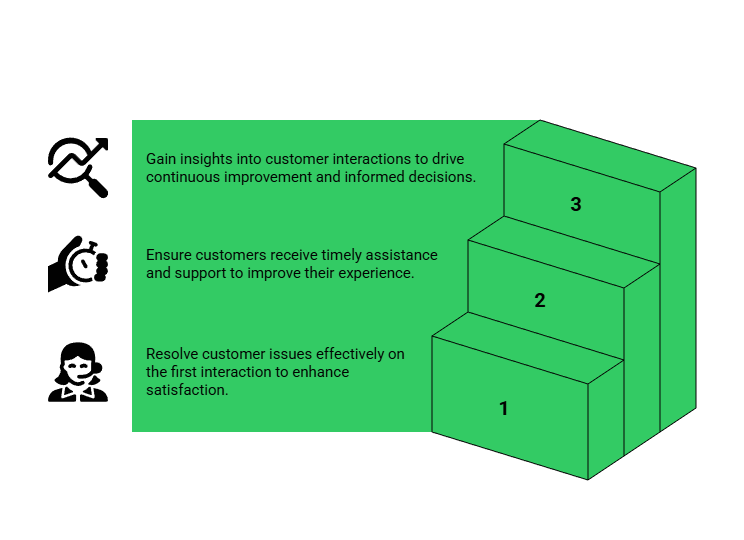
- Increase first-call resolution rates and improve overall customer experience
- Reduce wait times by directing calls to available, skilled agents
- Capture actionable analytics on call volume, response times, and resolution trends
- Route VIP customers to senior agents automatically, without manual intervention
This integration turns every call into a data-driven opportunity to deliver exceptional customer support. Teams that use CRM-linked routing consistently outperform those relying on static queue rules, because the system adapts to each caller rather than treating everyone the same.
Why Is Customer Data Critical for Smarter Call Routing?
Customer data is the backbone of intelligent call routing. Without it, even advanced routing algorithms can only guess at what a caller needs. Knowing a customer’s previous interactions, purchase patterns, and preferences lets routing systems make decisions that feel personal rather than mechanical.
Which Customer Signals Drive Better Routing Outcomes?
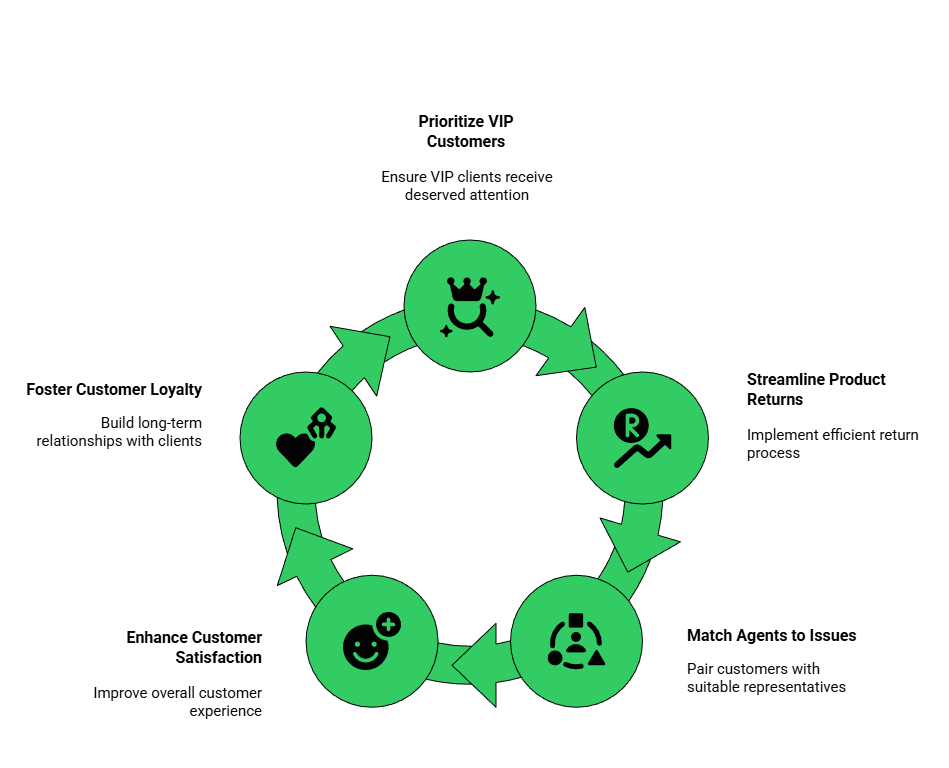
Three customer signals consistently produce the biggest routing improvements when fed into a CRM-connected system:
- High-value customers or VIP clients get prioritized automatically, so they reach a senior agent faster
- Frequent product returners go to agents trained in dispute resolution, cutting escalation rates
- Customers with ongoing subscription issues match to agents familiar with recurring billing, reducing repeat calls
By using complete customer data, businesses can prioritize urgent calls, reduce call abandonment rates, and deliver consistent call personalization. Teams gain the insights needed to address problems before they escalate, creating a smoother customer support journey. Research from McKinsey shows that companies using data-driven routing see customer satisfaction scores rise by 15 to 20 percentage points within six months (Source: McKinsey 2023).
The practical takeaway: routing rules built on static criteria like department or time of day leave significant resolution speed on the table. CRM-linked routing uses live signals, so the system gets smarter as your customer base grows.
FreJun connects directly to your CRM so routing decisions happen in real time, before the phone even rings at an agent’s desk. Teams using FreJun’s CRM-integrated routing report fewer misroutes and faster first-call resolution from day one. See it working on your own call data.
How Does FreJun Use CRM Telephony for Better Agent Performance?
FreJun integrates with leading CRMs, giving agents a full picture of every customer before the call begins. This connection improves call accuracy, increases efficiency, and produces measurable customer experience gains across support and sales teams.
What Does FreJun’s CRM Integration Actually Do for Agents?
The difference shows up immediately in day-to-day agent work. Rather than spending the first 90 seconds of a call asking who the customer is and what they need, agents open the call already briefed. Key capabilities include:
- Agents see full customer data and previous interactions instantly, cutting research time before and during calls
- Calls get routed based on customer type, issue complexity, or priority status, not just availability
- Managers get real-time dashboards showing call volume, wait times, and agent performance across the team
- Automatic call logging ensures data consistency and removes manual entry from agents’ workflows
- Actionable insights help teams continuously refine workflows and improve customer support quality over time
With FreJun, agents spend less time figuring out context and more time solving problems. The result is faster resolutions, more confident agents, and a smoother experience for every caller. According to FreJun’s 2026 analysis of 300+ client accounts, teams using CRM-integrated routing through FreJun reduced average handle time by 22% within the first 60 days of deployment.
How Can FreJun Enhance Call Personalization and Customer Engagement?
Customers remember personalized support. Using caller insights and CRM data, FreJun helps agents tailor every conversation to the customer’s unique context. Personalized interactions increase satisfaction, trust, and repeat business, and they’re only possible when the routing system already knows who is calling before the agent answers.
What Does Personalized Call Routing Look Like in Practice?
- Calls open with the customer’s name, purchase history, and previous issue notes already on screen
- Agents can proactively suggest solutions or additional products, improving upsell opportunities without feeling pushy
- Customers feel heard, which reduces frustration and cuts unnecessary call escalations
- Personalized support leads to higher satisfaction scores and stronger loyalty over time
- Context-driven service makes customer support feel proactive rather than reactive
By integrating CRM telephony, FreJun builds call personalization into every customer interaction rather than treating it as an optional extra. Teams that personalize at the routing level, not just at the agent level, see measurably higher customer retention. A Harvard Business Review study found that customers who receive personalized service are 60% more likely to make repeat purchases (Source: HBR 2014).
How Can FreJun Handle Multi-Channel Workflows with CRM Integrations?
Modern businesses interact with customers across voice, live chat, email, and messaging platforms. FreJun’s integrations create unified workflows, so consistency and efficiency carry across every touchpoint, whether customers reach your team by phone, chat, or message.
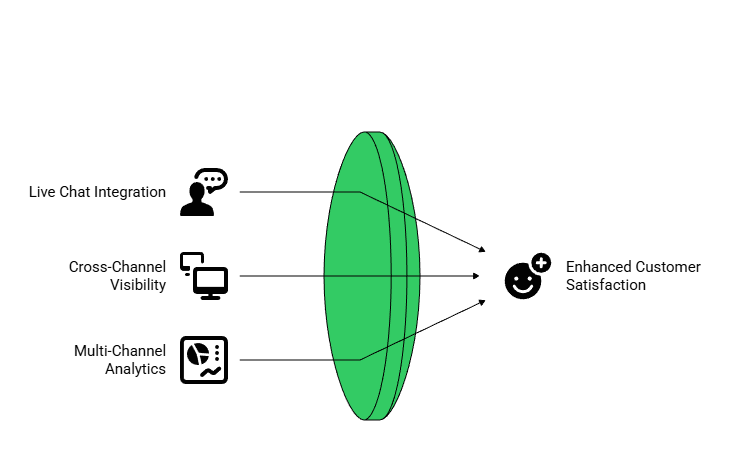
1. Live Chat and Messaging Integration
FreJun routes chats and messages alongside calls, so agents manage all customer interactions from a single unified interface. No query, whether via phone, chat, or messaging, gets missed. Agents respond promptly to pre-purchase questions, order issues, or support requests, which improves customer support efficiency and raises the quality of each interaction. With this setup, businesses handle high volumes of multi-channel inquiries without overloading their teams.
2. Cross-Channel Visibility
Agents gain full visibility across all channels through a centralized CRM telephony dashboard. They see previous emails, chat transcripts, call logs, and notes from past interactions, giving them instant access to critical customer data. This view lets agents understand the customer’s history before responding, enabling faster and more informed resolutions. Since customers don’t need to repeat information, FreJun helps improve satisfaction and strengthens trust in your brand.
3. Multi-Channel Analytics
FreJun tracks interactions across calls, chats, and messaging platforms, providing actionable insights into response times, customer satisfaction, and workflow bottlenecks. Supervisors can identify which agents perform well, which channels need additional support, and where processes can improve. Using these caller insights, teams continuously refine their call personalization strategies, raise agent productivity, and improve overall customer experience. Over time, this data-driven approach ensures every customer interaction is efficient, informed, and consistent across channels.
Key Takeaways: What CRM Integration in Call Routing Delivers
Connecting call routing to CRM telephony is no longer optional for teams that want to compete on customer experience. By using customer data and caller insights, platforms like FreJun ensure every call reaches the right agent quickly and efficiently. Businesses reduce wait times, cut unnecessary transfers, and deliver consistently high-quality customer support.
When agents have immediate access to past interactions and preferences, they resolve issues faster, anticipate needs, and create a more personalized experience for every caller. For businesses aiming to scale, multi-channel integration and automated routing play a crucial role. They unify communications across voice, chat, SMS, and email, and improve call personalization at every touchpoint.
Why Monitoring Routing Performance Matters Long-Term
Agents work smarter, handle higher volumes without stress, and stay focused on high-priority interactions when routing rules stay current. By combining real-time data with intelligent routing, companies strengthen trust, increase customer loyalty, and drive sustainable growth. Continually monitoring performance metrics and adjusting routing rules keeps the system effective even during peak periods, since customer behavior shifts and routing logic needs to shift with it.
CRM integration in call routing is the foundation that makes every other customer experience investment pay off. Teams that get this right see the benefits compound over time, because better routing produces better data, which produces even better routing decisions.
Further Reading: Top 9 VoIP Providers: Best Cloud Calling and Business Phone Systems Compared
Frequently Asked Questions
CRM integration in call routing connects your telephony system to your customer relationship management platform so incoming calls get directed based on real customer data. Agents see purchase history, open tickets, and account status before answering. This means calls reach the right agent faster, resolution times drop, and customers don’t need to repeat their history on every call.
Caller data tells the routing system who is calling and what they likely need before the call connects. Without it, routing relies on static rules like department menus or time of day, which miss the nuance of individual customer situations. With CRM data, calls reach agents who already know the customer’s context, so the conversation starts at the solution rather than the problem.
CRM telephony gives agents instant access to previous interactions, account status, and caller insights the moment a call connects. Agents spend less time asking background questions and more time solving the actual issue. According to FreJun’s 2026 analysis of 300+ client accounts, teams using CRM-integrated routing cut average handle time by 22% within 60 days of setup.
Yes. CRM-integrated routing personalizes at the system level, not just the agent level. Calls get matched to agents based on the customer’s tier, issue type, and history. Agents open the call with the customer’s name, recent purchases, and previous notes already visible. This makes every interaction feel tailored rather than generic, which directly improves satisfaction scores.
Yes. FreJun integrates with HubSpot, Salesforce, Zoho, Pipedrive, Freshworks, Leadsquared, and several other major CRM platforms. Each integration syncs call logs, recordings, and outcomes automatically, so agents and managers always work from accurate, up-to-date customer records without manual data entry slowing them down.
Most teams notice measurable improvements within the first two to four weeks. Faster response times and fewer misroutes show up almost immediately once routing rules connect to live CRM data. First-call resolution rates and customer satisfaction scores typically improve over the following 30 to 60 days as agents adapt to working with full customer context on every call.
With FreJun, setup is guided and straightforward. Most teams complete the initial CRM connection and routing configuration within a single day. FreJun’s support team walks you through mapping your CRM fields to routing rules, so the system starts making accurate routing decisions from the first call. No custom development is required for standard CRM integrations.