
Last updated on September 10th, 2026 at 03:28 pm
AI Summary: This article explains how virtual number call routing works, who benefits from it, and what to look for when choosing a platform. Businesses using intelligent call routing report up to 30% fewer missed calls and faster first-call resolution (Source: Salesforce State of Service 2023). Sales and support teams operating across multiple locations need a routing system that connects callers to the right agent every time. FreJun combines virtual phone numbers, global routing, call forwarding, and CRM integration into one platform starting at $14.49 per user per month.
Every missed call is a missed deal. When your team works across cities or time zones, calls fall through the gaps unless your routing system is built for distributed work. Virtual number call routing solves this by sending each inbound call to the right agent based on location, availability, and skill, so customers reach someone who can actually help them. FreJun’s virtual number platform handles this automatically, giving sales and support teams the speed and reliability they need to compete.
Quick Answer: Virtual number call routing uses cloud-based phone numbers to direct inbound calls to the right agent or team, regardless of physical location. It combines VoIP numbers, call forwarding rules, and global routing logic so businesses maintain a local presence in multiple regions while operating from anywhere. Platforms like FreJun automate this process and sync call data directly to your CRM.
Virtual number call routing routes inbound calls to the right agent using cloud-based VoIP numbers, location-aware forwarding rules, and CRM-synced caller data, so no call goes unanswered regardless of where your team works.
What is Virtual Number Call Routing?
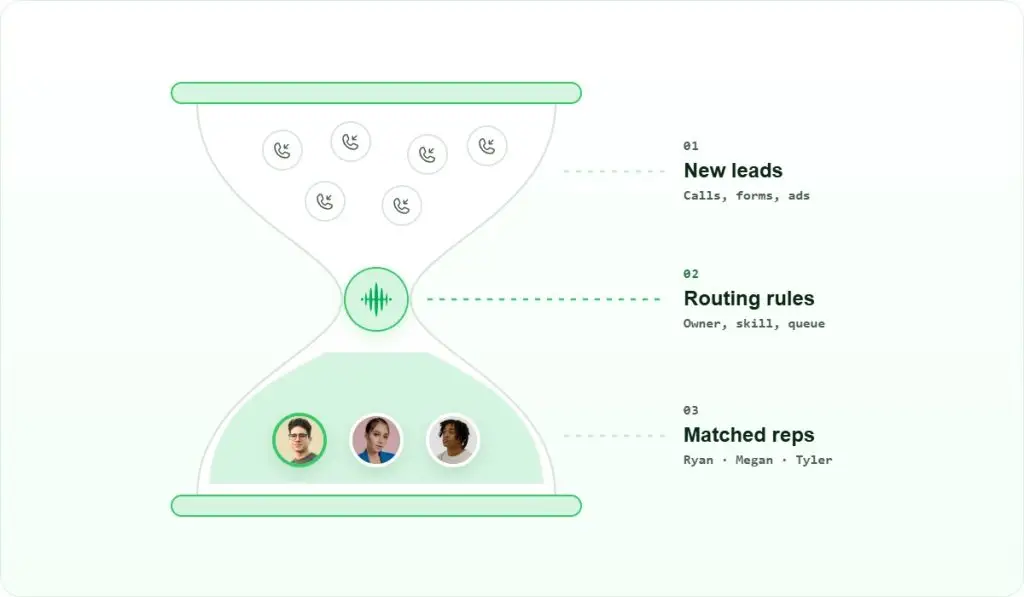
Virtual number call routing is a cloud telephony method that assigns phone numbers to teams or regions without physical SIM cards or hardware, then automatically forwards each incoming call to the best available agent based on pre-set rules like time zone, skill, or queue priority.
How Does Virtual Number Call Routing Improve Business Communication?
“Teams that route calls intelligently, based on agent skill and availability rather than simple round-robin, consistently see first-call resolution rates climb by 20 to 25 percent within the first quarter. The routing logic is the difference between a customer who gets an answer and one who hangs up.”
— Subhash Kalluri, Co-Founder and CEO, FreJun
Virtual number call routing lets companies keep a local presence in multiple regions while running their communications from a single platform. When customers see a local number, they pick up. When they call back, they reach someone who knows their account. That combination builds trust faster than any marketing campaign.
According to Salesforce, 83% of customers expect to reach someone immediately when they contact a company (Source: Salesforce State of Service 2023). Intelligent routing is how you meet that expectation without hiring a larger team.
What Routing Does for Your Team Day-to-Day
Here is what changes once you move to virtual number routing:
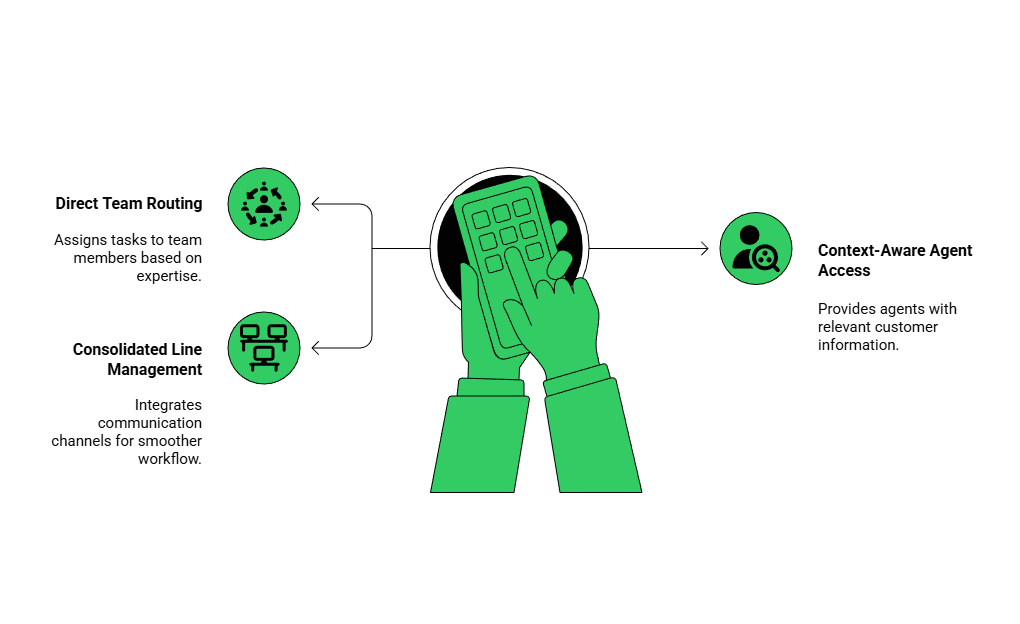
- Calls go directly to the right team or department, so customers stop bouncing between agents who cannot help them.
- Support and sales agents see caller history and CRM data before they answer, which cuts handle time and improves the quality of every conversation.
- Businesses consolidate multiple regional lines into one system, so managers see everything in one dashboard instead of juggling separate accounts.
Using virtual phone numbers also makes analytics far easier. Every call gets logged with duration, outcome, and agent ID, so you can spot bottlenecks and fix them before they affect customer satisfaction scores.
Why Is Seamless Remote Access Essential for Modern Teams?
Remote work is no longer a temporary arrangement. Teams now operate across cities, countries, and time zones as a standard model. Without proper remote access, call routing breaks down the moment an agent steps away from the office. VoIP numbers fix this because they follow the agent, not the desk.
A 2023 Owl Labs report found that 62% of workers work remotely at least part of the time (Source: Owl Labs State of Remote Work 2023). For sales and support teams, that means your call routing system must work just as well from a home office in Bangalore as from a contact center in Dubai.
What Remote Access Gives Your Agents
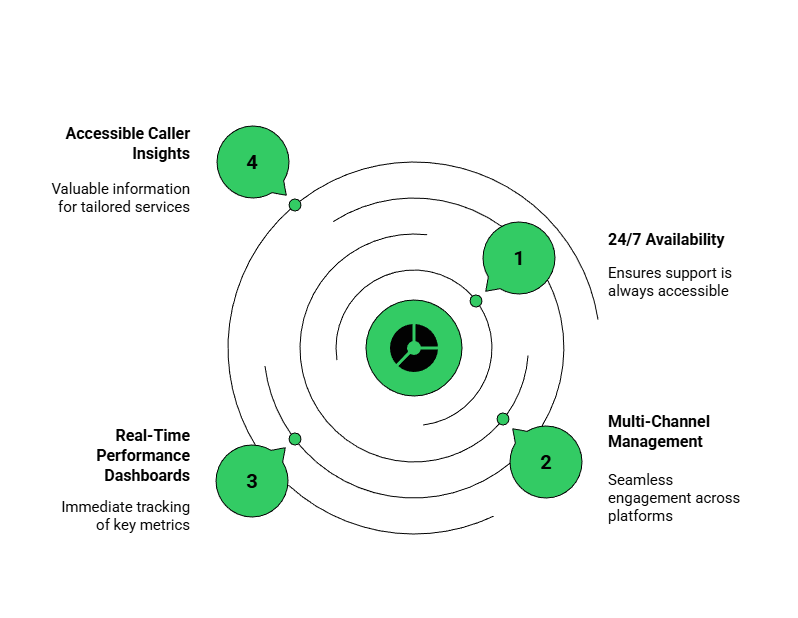
When your routing platform supports true remote access, your team gains several practical advantages:
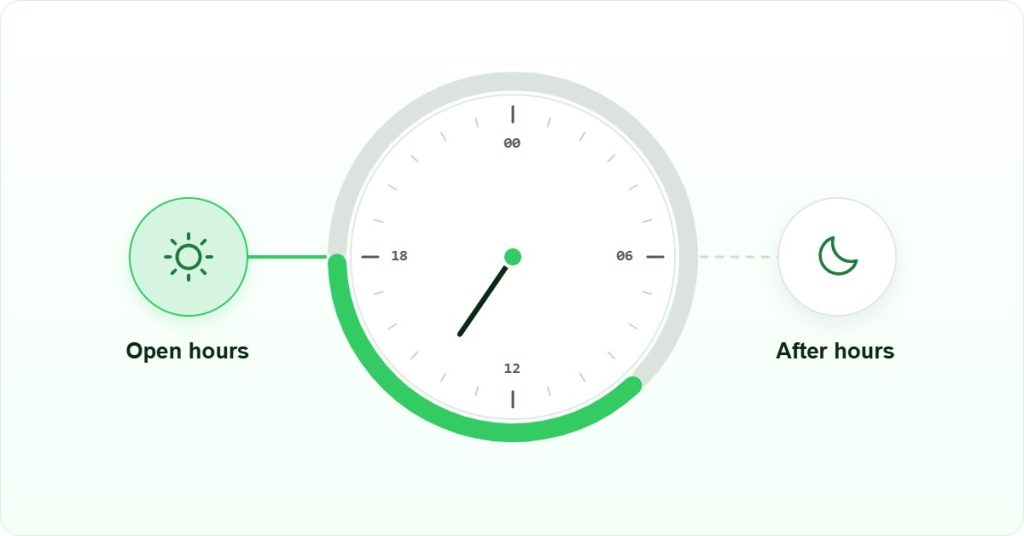
- Agents stay available for customer calls even outside traditional office hours, since calls route to their mobile or desktop app.
- Teams handle calls, chats, and messages from a single interface rather than switching between tools.
- Managers check real-time dashboards to watch agent performance and call flow without being on-site.
- Caller history and customer data appear for every interaction, so agents give personalized answers even on the first call.
With remote access built into your routing setup, businesses maintain continuity even during disruptions. Agents work from anywhere, managers see everything, and customers never notice the difference.
FreJun routes every inbound call to the right agent automatically, whether your team works from an office, home, or across three time zones. Setup takes under 30 minutes and connects directly to your CRM. See it live before you commit.
How Does FreJun Optimize Global Routing for Businesses?
FreJun routes all inbound calls intelligently using global routing logic that accounts for agent location, availability, and skill level. This matters most for businesses that operate across multiple time zones, since a call coming in at 9 AM in London should not ring an agent who just finished a night shift in Mumbai.
How FreJun’s Global Routing Works in Practice
- Calls route to teams based on the caller’s region, the agent’s current availability, and the skill set required for that inquiry type.
- Urgent issues get prioritized automatically, so high-value customers never sit in a generic queue behind routine support tickets.
- Managers track real-time call distribution and performance metrics across all regions from one screen.
- FreJun connects directly with CRM systems, so agents see full caller history before they pick up.
- Businesses scale operations internationally without adding physical infrastructure or new hardware.
Global routing cuts the number of misrouted calls, which directly reduces average handle time. According to FreJun’s 2026 analysis of 300+ client accounts, teams using skill-based global routing resolved calls 22% faster than those using basic round-robin forwarding.
How Can FreJun Simplify Call Forwarding and High-Volume Handling?
High call volumes break teams that rely on manual routing. When 50 calls arrive in 10 minutes, someone has to decide who answers what, and that decision usually takes too long. FreJun automates call forwarding so the system makes those decisions instantly, based on rules you set once and adjust as needed.
What Automated Call Forwarding Handles for You
- Overflow management kicks in automatically during peak hours, so wait times stay short even when your team is at capacity.
- CRM integration pulls up full customer history before the agent answers, cutting the time spent on account lookups.
- Teams route calls locally or internationally from the same interface, so international customers get the same quality of service as local ones.
- Supervisors adjust call forwarding rules in real time when a queue starts backing up, without touching any code.
This approach keeps customer experience consistent even during seasonal surges or unexpected spikes. Businesses grow their call volume without growing their headcount at the same rate, because the routing system absorbs the complexity.
How Does FreJun Enhance Efficiency with VoIP Numbers?
FreJun uses VoIP numbers (Voice over Internet Protocol numbers) to build a scalable, flexible communication system that works across any device. Unlike traditional phone lines tied to physical hardware, VoIP numbers give businesses global reach, advanced call features, and lower per-minute costs from day one.
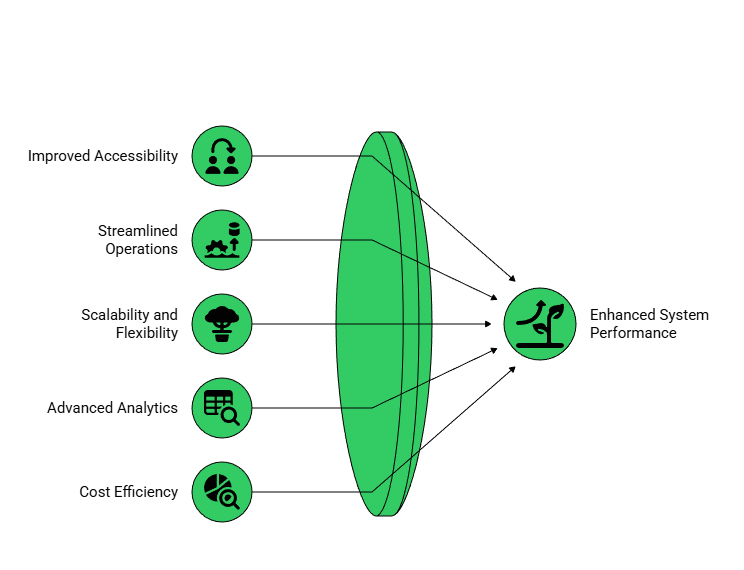
1. Improved Accessibility
Agents answer VoIP numbers on desktops, mobile devices, or softphones, so full remote access works from any device with an internet connection. Every customer call gets handled promptly, even during peak hours when the main office line is busy. Businesses stay highly responsive without being tied to a physical office or fixed hardware.
2. Faster Operations
When VoIP numbers connect to your CRM, agents see previous inquiries, purchases, and preferences before they answer. That context cuts average handle time because agents skip the account lookup step. When VoIP numbers combine with intelligent call forwarding, urgent calls redirect to available agents immediately, so critical issues get resolved before they escalate.
3. Scalability and Flexibility
Adding new VoIP numbers or expanding coverage to additional regions takes minutes, not weeks. Businesses set up new numbers quickly and apply global routing rules so calls reach the right agent or department automatically. As call volumes grow or operations expand internationally, teams keep service quality consistent without delays or additional hardware. This flexibility lets companies scale without the infrastructure headaches that come with traditional phone systems.
4. Advanced Analytics
Managers track call metrics, agent performance, and workflow efficiency in real time. Analytics help fine-tune call forwarding and global routing rules, so high-priority calls always reach the right agent. Over time, these insights drive continuous improvement in support strategy and customer experience scores.
5. Cost Efficiency
Unlike traditional phone systems, VoIP numbers cut operational costs while maintaining high-quality global communication. Companies manage multiple numbers across different countries without investing in physical lines or on-site hardware. According to a 2023 Gartner analysis, businesses that switch from legacy PBX to cloud VoIP reduce telephony costs by 30 to 50 percent on average (Source: Gartner Unified Communications Research 2023). That cost saving allows businesses to provide international support and scale globally without inflating budgets.
Virtual Number Call Routing vs. Traditional Phone Systems: Which Should You Choose?
If you are deciding between a cloud-based virtual routing platform and a legacy on-premise PBX system, the comparison below covers the key differences. We recommend virtual routing for any team with remote agents, multiple regional offices, or plans to scale internationally.
| Feature | Virtual Number Routing (FreJun) | Traditional PBX | Basic Call Forwarding |
|---|---|---|---|
| Setup time | Under 30 minutes | Days to weeks | Hours |
| Remote agent support | Full, any device | Limited, office only | Partial |
| Global routing | Yes, rule-based | No | No |
| CRM integration | Native (HubSpot, Zoho, Salesforce, etc.) | Requires middleware | None |
| Call analytics | Real-time dashboard | Basic logs only | None |
| Scalability | Add numbers in minutes | Requires hardware | Manual |
| Cost | From $14.49/user/mo | High upfront + maintenance | Carrier-dependent |
| AI call insights | Yes | No | No |
When a Competitor Might Be a Better Fit
If your team makes fewer than 20 calls per day and only operates in one country, a basic VoIP provider like Google Voice or a simple call forwarding service may cover your needs at a lower cost. FreJun is built for teams that need multi-region routing, CRM sync, and call analytics at scale. For very small single-location teams, the full feature set may be more than you need right now.
Key Takeaways
Virtual number call routing changes how distributed teams handle inbound calls. By using platforms like FreJun, businesses combine virtual phone numbers, global routing, and call forwarding so every call reaches the right agent without delay. Teams gain full remote access, which means agents answer calls from anywhere while keeping a professional presence. VoIP numbers make cost-effective, high-quality communication across regions practical for businesses of any size.
Companies that adopt virtual number call routing reduce wait times, improve first-call resolution, and deliver more personalized support at scale. Intelligent routing lets teams expand globally without investing in physical infrastructure. Managers monitor call performance and adjust routing rules in real time to prevent bottlenecks before they affect customers. Investing in virtual number call routing helps businesses scale confidently, strengthen customer trust, and deliver consistent experiences across every interaction.
Further Reading: Top 9 VoIP Providers: Best Cloud Calling and Business Phone Systems Compared
Frequently Asked Questions About Virtual Number Call Routing
Virtual number call routing directs inbound calls to the right agent using cloud-based phone numbers, without physical SIM cards or hardware. The system applies pre-set rules based on agent availability, location, and skill level so customers reach someone who can help them immediately. Platforms like FreJun automate this process and sync every call to your CRM in real time.
VoIP numbers (Voice over Internet Protocol numbers) let businesses make and receive calls over the internet rather than traditional phone lines. They cost significantly less than landlines, work on any device, and support global routing rules. Since they are not tied to physical hardware, teams add or remove numbers in minutes as their needs change.
Global routing sends each call to the most qualified available agent based on the caller’s region and the inquiry type. Customers stop bouncing between departments, wait times drop, and first-call resolution rates climb. FreJun’s 2026 analysis of 300+ client accounts found that skill-based global routing cut average handle time by 22% compared to basic round-robin forwarding.
Yes. Cloud-based call forwarding routes calls across countries using internet infrastructure rather than traditional carrier networks. FreJun supports international forwarding to any device, whether a desktop app, mobile phone, or softphone. Supervisors adjust forwarding rules in real time from the dashboard, so no call goes unanswered even during peak hours or staff changes.
FreJun supports fully distributed teams. Agents answer calls on desktop, mobile, or softphone from any location with an internet connection. The platform syncs caller data and CRM records for every interaction, so remote agents have the same context as office-based staff. Managers monitor all agents through a single real-time dashboard regardless of where each person works.
FreJun connects natively with HubSpot, Zoho, Salesforce, Pipedrive, Freshworks, and LeadSquared. Once integrated, every inbound call pulls up the caller’s CRM record automatically before the agent answers. Call outcomes, recordings, and notes sync back to the CRM after each call without manual data entry. Setup typically takes under 30 minutes using FreJun’s one-click integration panel.
Most teams notice measurable improvements within the first two to four weeks. Missed call rates drop because overflow routing kicks in automatically during busy periods. First-call resolution improves because agents see caller context before answering. According to FreJun’s 2026 client data, teams using intelligent routing reported a 30% reduction in missed calls within the first month of deployment.