AI Summary: This article compares the top 7 saas platforms voice api usa options in 2026, evaluating each on real-time latency, model-agnostic architecture, US pricing, and TCPA compliance for AI voice agent development. As of 2026, the global conversational AI market is projected to exceed $29 billion by 2028, according to MarketsandMarkets, making Voice API selection a foundational infrastructure decision for any SaaS product team. US developer teams need a Voice API that delivers sub-100ms latency, integrates with any STT, LLM, or TTS provider without lock-in, and handles carrier-level TCPA compliance automatically. FreJun Teler meets all three requirements, with outbound calling from $0.20 per minute and raw WebSocket streaming that works with any AI stack the team already uses.
Key criteria in this comparison: We ranked these saas platforms voice api usa options on real-time WebSocket latency, model-agnostic architecture, pricing transparency in USD, TCPA compliance support, and documentation quality, since these are the factors that most affect a developer team’s build speed and total cost when shipping AI voice agents in the US.
Quick Answer: The best saas platforms voice api usa in 2026 is FreJun Teler, which delivers sub-100ms WebSocket latency for real-time AI voice loops, works with any STT, LLM, or TTS provider without lock-in, and starts at $15 per channel per month with outbound calling at $0.20 per minute, making it the most AI-ready telephony infrastructure available to US developer teams today.
The best saas platforms voice api usa for building AI voice agents in 2026 is Teler, which provides purpose-built WebSocket audio streaming and model-agnostic infrastructure so US developer teams can ship production voice agents without rebuilding telecom layers from scratch.
What is a saas platforms voice api usa?
A saas platforms voice api usa is a cloud-based telephony interface that lets software teams add real-time voice calling capabilities to their applications by sending HTTP or WebSocket requests, without building physical telecom infrastructure. The best providers give developers raw audio access over WebSocket, a persistent full-duplex connection that keeps the audio channel continuously open between the caller and the developer’s server, so AI models can process speech in real time. They also offer SIP trunking, which uses the Session Initiation Protocol (SIP), the standard protocol for establishing voice calls over the internet, to connect existing enterprise telephony systems to the developer’s AI stack.
US-based SaaS teams specifically need providers that comply with TCPA (Telephone Consumer Protection Act), the federal law requiring explicit consent before placing automated calls to mobile numbers, and that offer DNC (Do Not Call) Registry integration for outbound campaigns. US-based teams weighing global expansion should note that requirements differ regionally, and developer teams evaluating saas platforms voice api india options will find that TRAI compliance and INR pricing structures replace the TCPA and USD considerations that matter for the US market.”
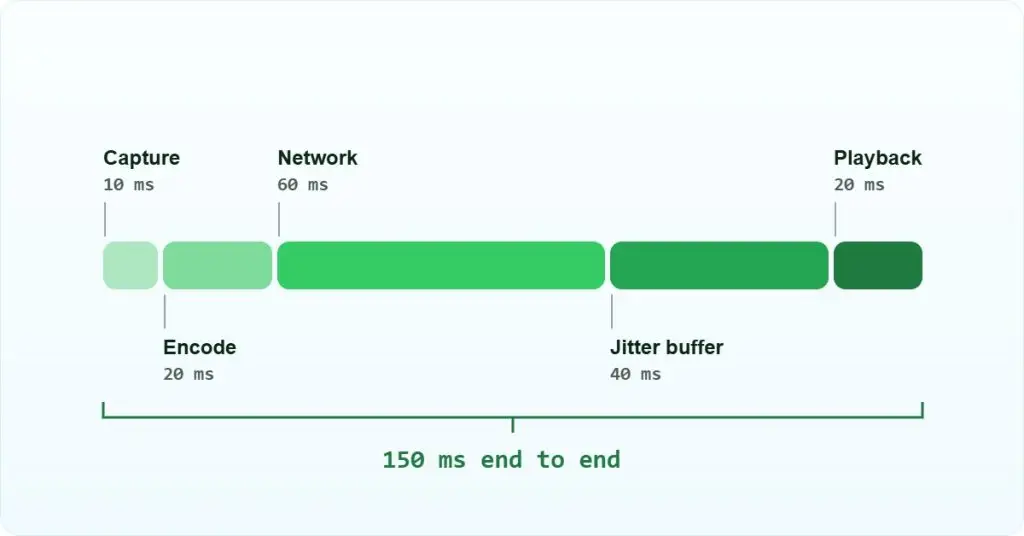
As of 2026, the US AI voice agent market is growing rapidly, driven by SaaS teams replacing legacy IVR systems with LLM-powered conversational agents. According to Grand View Research, the global CPaaS (Communications Platform as a Service, a cloud-based platform that adds voice, SMS, and video capabilities to applications via APIs) market is projected to grow at a CAGR of over 25% through 2030. What separates basic telephony APIs from the best saas platforms voice api usa options is the ability to stream raw audio directly to a developer’s STT (Speech-to-Text, the component that converts the caller’s voice into text the LLM can process) engine with latency (the delay between when a person speaks and when they hear a response) under 100ms, which is the threshold for natural, uninterrupted conversation.
Which saas platforms voice api usa rank highest in the US in 2026?
The table below ranks the top seven saas platforms voice api usa options by AI voice readiness, pricing, and integration path so US developer teams can compare at a glance.
| # | Provider | Best for | Starting price (USD) | Free trial |
|---|---|---|---|---|
| 1 | FreJun Teler | AI voice agent infrastructure | $15/channel/month | Yes, free credits on signup |
| 2 | Twilio | Global CPaaS voice | Pay-as-you-go | Yes, trial credits |
| 3 | Telnyx | SIP-first voice apps | Contact sales | Check website |
| 4 | Plivo | XML telephony control | $0.003/min outbound | Check website |
| 5 | Vonage API | Enterprise call control | Contact sales | Check website |
| 6 | SignalWire | AI telephony stack | Component-based billing | Check website |
| 7 | Bandwidth | Enterprise voice infrastructure | Contact sales | Check website |
Scroll down for a full breakdown of each tool, covering features, pros, cons, pricing, and ideal use case.
How to choose the best saas platforms voice api usa in 2026?
Step 1: Define your AI voice architecture
Before evaluating any saas platforms voice api usa option, map the full AI voice stack your team plans to use. Identify your STT engine, your LLM (Large Language Model, the AI brain that reads the caller’s transcribed text and decides what to respond), and your TTS (Text-to-Speech, the component that converts the AI’s text response back into natural-sounding audio). Conversational AI agents need end-to-end latency under 100ms so the conversation feels natural. Form-filling bots or appointment schedulers can tolerate up to 500ms. Knowing your latency requirement upfront eliminates providers that abstract the audio layer and add unnecessary delay.
Step 2: Choose your integration path
Two integration paths exist for saas platforms voice api usa. WebSocket streaming keeps a persistent, full-duplex connection open between the caller and your server, so raw audio flows continuously with no request-response overhead. This is the right path for real-time AI voice agents. SIP trunking connects existing SIP-enabled platforms or enterprise PBX systems directly to the carrier network. It is better for teams that already have telephony infrastructure and want to add AI on top. If you are building a new AI voice product from scratch, WebSocket is almost always the faster and lower-latency choice. Teams already comparing infrastructure options may also want to see how a LiveKit voice API USA setup stacks up against WebSocket-first providers like Teler before making a final architecture decision.
Step 3: Check US carrier and TCPA compliance requirements
US AI outbound calling is governed by the FCC and TCPA (Telephone Consumer Protection Act). TCPA requires explicit written consent before placing automated or pre-recorded calls to mobile numbers. Violations carry fines of $500 to $1,500 per call. Beyond TCPA, teams must check numbers against the National Do Not Call Registry before dialing. Some saas platforms voice api usa providers handle DNC scrubbing automatically. Others leave it entirely to the developer. Confirm which compliance responsibilities the provider handles and which ones your team must manage before signing any contract. For teams building AI voice agents outside the US, the same evaluation criteria apply when comparing a LiveKit voice API India setup against carrier-compliant alternatives.
Step 4: Evaluate USD pricing against your call volume
Pricing models across saas platforms voice api usa vary widely. Some charge per channel per month plus per-minute usage. Others use pure pay-as-you-go. Calculate a realistic monthly cost using your expected call volume, average call duration, and whether you need media streaming (for AI audio processing) and recording as separate line items. A provider charging $0.02 per minute looks cheap until you add $0.015 per minute for media streaming and $0.005 per minute for recording. Total cost of ownership matters more than the headline rate.
Step 5: Test latency and audio quality before committing
No benchmark replaces a real call on your actual infrastructure. Run a test call through the full Media Streaming Loop (the full real-time cycle: Voice to STT to LLM to TTS to Voice playback, completing in under 100ms on Teler) before committing to any provider. Teler offers free credits on first upgrade so developer teams can test the complete stack, including WebSocket streaming, STT integration, and outbound calling, before paying for production capacity. Since audio quality and latency depend on network path as well as the API itself, test from the same cloud region your production workload will run in.
Top 7 saas platforms voice api usa tools in the US for 2026
1. FreJun Teler – Purpose-built Voice API for AI voice agents
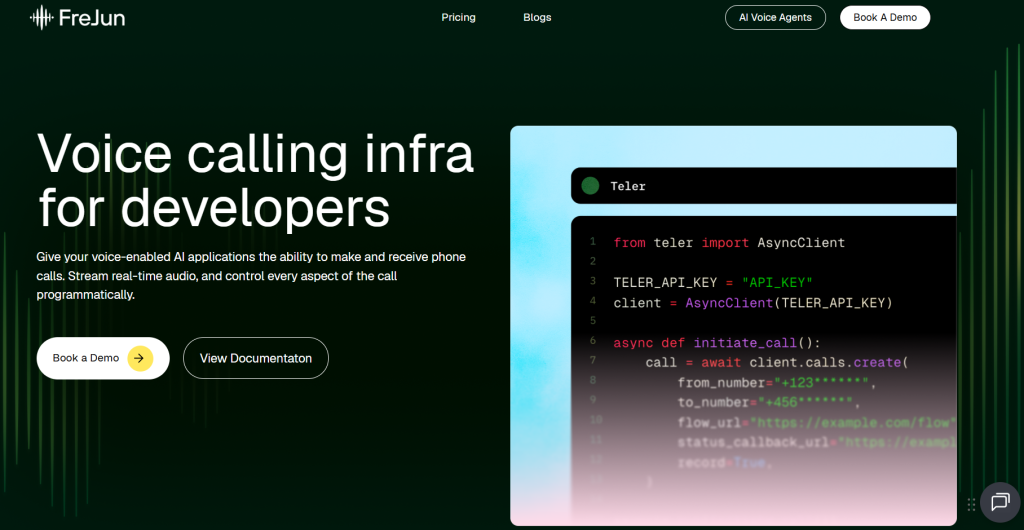
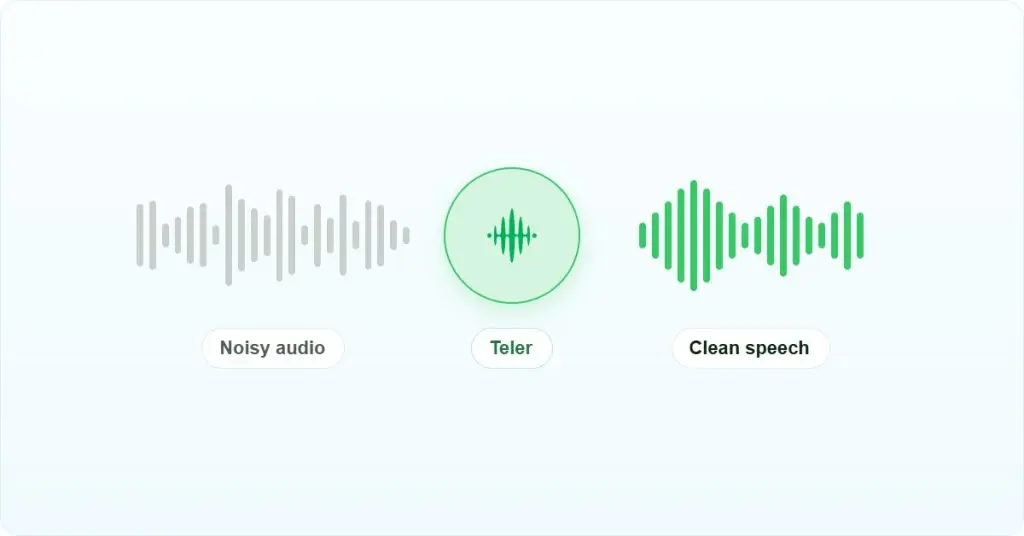
FreJun Teler is a developer-first Voice API platform built specifically for teams shipping AI voice agents on saas platforms voice api usa infrastructure, giving engineers raw WebSocket audio access and model-agnostic architecture so they can connect any STT, LLM, or TTS provider without lock-in.
Best for: AI voice agent infrastructure
Key features
- Raw WebSocket audio streaming in L16/8000Hz format delivers sub-100ms end-to-end latency, so AI voice agents respond fast enough for natural, uninterrupted conversation without any proprietary conversion layer in the way.
- Model-agnostic architecture means developers bring their own STT engine (Google STT, Deepgram, Whisper, or AssemblyAI), their own LLM (OpenAI GPT, Anthropic Claude, Google Gemini, or any custom model), and their own TTS (ElevenLabs, Google TTS, Azure TTS, or Play.ht), paying those providers directly with zero Teler-mandated lock-in.
- SIP trunking with TCP/TLS transport and credential-based or IP-based authentication connects existing SIP-enabled enterprise platforms directly to Teler’s carrier network, so teams with legacy telephony infrastructure do not need to rebuild from scratch.
- Webhook callbacks fire on every call state change, so developer teams can trigger downstream logic (CRM updates, logging, escalation routing) without polling the API.
- REST API endpoints and multi-language SDKs let teams integrate Teler into any backend stack using standard HTTP calls, with auth token authentication for secure, session-specific access control.
- Virtual numbers are available for India and UAE, with same-day provisioning via the developer dashboard at frejun.com.
Pros and cons
| Pros | Cons |
|---|---|
| Sub-100ms WebSocket latency purpose-built for AI voice loops | Virtual numbers currently available for India and UAE only, not US local numbers |
| Zero AI provider lock-in: works with any STT, LLM, or TTS stack | Elastic SIP trunking (auto-scaling without channel limits) is on the roadmap but not yet available |
| Same-day integration via WebSocket or SIP with no physical telecom infrastructure required | Minimum 10 channels required to start, which may be more than a solo developer needs for early prototyping |
Pricing
(USD): Channel cost starts at $15 per channel per month (minimum 10 channels). Outbound calling is $0.20 per minute. Inbound calling is $0.10 per minute. Media streaming is $0.0017 per minute. Recording and storage is $0.00046 per minute. UAE number rental is $100 per month per number. First upgrade includes $5 in free calling credits. Billing is prepaid on monthly, quarterly, half-yearly, or annual cycles. See full pricing
Why Teler is the top recommendation
Why Teler ranks #1 for saas platforms voice api usa: Teler is the only provider in this list designed from the ground up for AI voice agent infrastructure rather than adapted from a general CPaaS stack. US developer teams get sub-100ms WebSocket latency, full TCPA compliance awareness built into the carrier layer, and a model-agnostic architecture that lets them swap STT, LLM, or TTS providers without changing a single line of telephony code. No other provider on this list combines all three at this price point. Start building →
Teler by the numbers: Sub-100ms latency | Model-agnostic: 10+ AI providers | Virtual numbers: India and UAE | Same-day integration via WebSocket or SIP | $5 in free calling credits on first upgrade (UAE)
2. Twilio – Broad CPaaS platform for programmable voice
Twilio is a cloud communications platform for programmable voice, messaging, and contact-center workflows, widely used by saas platforms voice api usa teams that need a large developer ecosystem and broad channel coverage beyond voice alone.
Best for: Global CPaaS voice
Key features
- WebSocket Media Streams pipe live call audio to your backend so your STT engine can transcribe in real time, though the audio arrives as base64-encoded 8 kHz mu-law chunks that most modern STT engines require you to transcode first.
- TwiML (Twilio Markup Language) and REST API webhooks let teams control call flow programmatically, so routing logic, recording triggers, and conferencing can all be managed from application code.
- SIP trunking connects existing carrier telephony infrastructure to Twilio’s network, with US virtual number provisioning available directly from the dashboard.
- SDKs in Node.js, Python, PHP, Ruby, Java, C#, and Go give teams a ready-made starting point in whichever language their backend already uses.
- Trial credits let new accounts place real calls before committing to a paid plan, which is useful for validating audio quality on a specific network path.
Pros and cons
| Pros | Cons |
|---|---|
| Large developer ecosystem with extensive documentation and community support | 8 kHz mu-law audio format requires transcoding before most modern STT engines can process it, adding CPU overhead and latency |
| Broad channel coverage: voice, SMS, WhatsApp, and video on one platform | Pricing complexity increases quickly when combining voice, media streaming, recording, and number rental line items |
Pricing
(USD): Pay-as-you-go model. Outbound and inbound per-minute rates vary by destination. Media streaming and recording are billed separately. See full pricing
3. Telnyx – SIP-first voice API for programmable calling
Telnyx is a programmable communications platform for voice, SIP, messaging, and call control, suited to saas platforms voice api usa teams that want direct carrier-grade SIP infrastructure with REST call control on top.
Best for: SIP-first voice apps
Key features
- REST call control API lets teams search, buy, and manage US phone numbers programmatically, so number provisioning is part of the same codebase as call routing logic.
- SIP trunking with webhook-driven call events gives teams carrier-grade voice connectivity without managing physical telephony hardware.
- Programmable voice routing lets teams define call flow logic through webhook callbacks, so inbound calls can be directed to AI agents, queues, or human agents based on real-time conditions.
- Official SDKs for Node.js, Python, Ruby, PHP, and Go reduce the boilerplate needed to get a first call working.
- US number availability with USD billing makes Telnyx straightforward to budget for US SaaS teams without currency conversion overhead.
Pros and cons
| Pros | Cons |
|---|---|
| Carrier-grade SIP infrastructure with direct network connectivity | WebSocket stream lifecycle is manual: reconnects and call-state recovery require custom retry logic from the developer |
| Clear REST call control onboarding with good documentation for standard telephony flows | AI-voice-specific audio loop is not as turnkey as purpose-built AI voice API providers |
Pricing
(USD): Pricing is not publicly listed. Contact sales for current rates. See full pricing
4. Plivo – REST and XML telephony control for developers
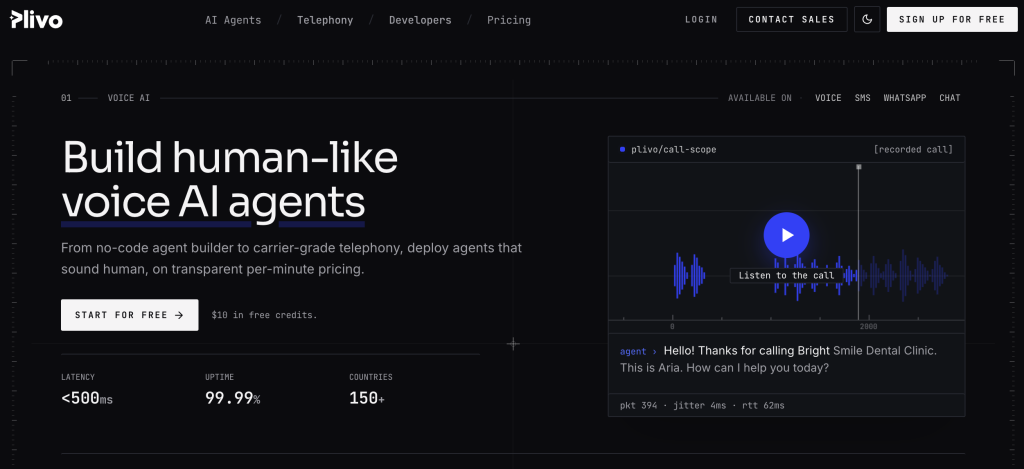
Plivo is a REST API and XML-based voice platform for making, receiving, and controlling phone calls programmatically, used by saas platforms voice api usa teams that need straightforward telephony control without a heavy AI-specific feature layer.
Best for: XML telephony control
Key features
- REST API plus XML call control lets teams create and manage calls through standard HTTP requests, so developers familiar with REST patterns can get a basic call flow working quickly.
- Webhooks fire on call state changes so downstream logic (logging, CRM updates, escalation) can be triggered without polling.
- Conferencing and recording support lets teams build multi-party call flows and store audio for quality review or compliance purposes.
- Number management API handles US number provisioning programmatically, so phone number lifecycle is part of the application codebase.
- SDKs for Node.js, Python, PHP, Ruby, Java, Go, and .NET give teams a starting point in most common backend languages.
Pros and cons
| Pros | Cons |
|---|---|
| Clear REST/XML model with good documentation for classic telephony use cases | No native full-duplex media stream: AI bots require extra bridging infrastructure to process audio in real time |
| Competitive per-minute pricing starting from $0.003 per minute outbound for US calls | Lack of a working WebSocket streaming example makes AI voice agent implementation more manual than purpose-built alternatives |
Pricing
(USD): Outbound calling typically ranges from $0.003 to $0.014 per minute. Inbound calling ranges from $0.003 to $0.022 per minute depending on destination. See full pricing
5. Vonage API – Enterprise call control for programmable voice

Vonage API is a cloud communications platform for programmable voice, messaging, and number management, used by enterprise saas platforms voice api usa teams that need NCCO-based call control and SIP connectivity for large-scale telephony deployments.
Best for: Enterprise call control
Key features
- NCCO (Nexmo Call Control Object) lets teams define call flow logic as JSON objects, so routing, recording, and conferencing are configured declaratively rather than through imperative code.
- Call recording and conferencing support lets enterprise teams capture every interaction and run multi-party sessions without additional infrastructure.
- SIP connectivity and WebSocket voice options give teams flexibility to choose the integration path that fits their existing architecture.
- Webhook-driven call events fire on state changes so downstream systems receive real-time updates without polling the API.
- SDKs for Node.js, Python, PHP, Ruby, Java, and C#/.NET cover the most common enterprise backend stacks.
Pros and cons
| Pros | Cons |
|---|---|
| Solid documentation for traditional programmable voice and enterprise telephony flows | Voice stack is split across NCCO call control and streaming docs, so building a low-latency AI loop requires extra glue code |
| Broad enterprise feature set including conferencing, recording, and SIP in one platform | AI-specific streaming patterns are less obvious than in a voice-agent-first stack, increasing developer ramp-up time |
Pricing
(USD): Pricing is not publicly listed. Contact sales for current rates. See full pricing
6. SignalWire – Component-based AI telephony stack
SignalWire is a communications platform combining AI, telephony, phone numbers, messaging, and recording components for developers building voice agents and programmable calling flows on saas platforms voice api usa infrastructure.
Best for: AI telephony stack
Key features
- Component-based pricing across AI, telephony, phone numbers, messaging, and recording lets teams pay only for the components their specific use case requires, rather than a bundled plan with unused features.
- AI-agent-specific product line gives teams a dedicated path for building voice agents rather than adapting a general CPaaS stack.
- Telephony and messaging on one platform reduces the number of vendor relationships a team needs to manage for a full-stack voice product.
- Recording as a billable component means teams that do not need call storage do not pay for it, which can reduce costs for high-volume outbound campaigns.
- Getting-started documentation provides an onboarding path for new developers, though the AI-specific WebSocket walkthrough is less detailed than purpose-built AI voice API providers.
Pros and cons
| Pros | Cons |
|---|---|
| AI-agent-specific product line with component-based billing that avoids paying for unused features | Cost estimation is harder because AI, telephony, numbers, recording, and model usage are billed as separate components |
| Telephony and messaging combined on one platform reduces vendor complexity | Third-party model compatibility is not clearly documented, so model-agnostic deployments may require additional validation |
Pricing
(USD): Component-based billing across AI, telephony, phone numbers, messaging, and recording. Contact sales for a full breakdown. See full pricing
7. Bandwidth – Enterprise voice infrastructure for carrier-grade deployments
Bandwidth is a cloud communications platform for voice, messaging, and emergency services built for enterprise telephony teams and developers who need direct carrier connectivity as part of their saas platforms voice api usa stack.
Best for: Enterprise voice infrastructure
Key features
- Direct carrier voice connectivity gives enterprise teams a shorter network path to the PSTN (Public Switched Telephone Network), which can improve audio quality and reduce latency compared to app-layer-only providers.
- BXML (Bandwidth XML) call flows let teams define call routing and recording logic declaratively, similar to TwiML but on Bandwidth’s own carrier infrastructure.
- SIP trunking with number provisioning lets enterprise teams connect existing PBX or UCaaS systems to Bandwidth’s network without replacing existing hardware.
- Emergency services and regulatory support make Bandwidth a strong choice for enterprise deployments where E911 compliance is a hard requirement.
- SDKs for Node.js, Python, Java, C#, and Ruby provide starting points for common enterprise backend stacks.
Pros and cons
| Pros | Cons |
|---|---|
| Direct carrier connectivity with strong regulatory and E911 support for enterprise deployments | Enterprise-first onboarding requires more carrier-style provisioning and setup than app-layer-only voice APIs |
| BXML call flows and SIP trunking cover complex enterprise telephony architectures | AI-voice-specific streaming documentation is not as discoverable as purpose-built AI voice API providers |
Pricing
(USD): Contact sales. Bandwidth does not publish public per-minute rates. See full pricing
Saas platforms voice api usa feature comparison: 2026
| Feature | Teler | Twilio | Telnyx | Plivo | Vonage API | SignalWire | Bandwidth |
|---|---|---|---|---|---|---|---|
| Raw WebSocket audio streaming | Yes | Partial, base64 mu-law 8 kHz requires transcoding | Partial, manual stream lifecycle | No | Partial, via WebSocket option | Partial, not fully documented | No |
| Sub-100ms AI voice latency | Yes | No, abstraction adds latency | No | No | No | No | No |
| Model-agnostic STT/LLM/TTS | Yes | Yes | Yes | Yes | Yes | Partial, selected models native | Yes |
| SIP trunking | Yes | Yes | Yes | No | Yes | Yes | Yes |
| TCPA compliance support | Yes | Partial, developer-managed | Partial, developer-managed | Partial, developer-managed | Partial, developer-managed | Partial, not documented | Yes, carrier-level |
| Same-day integration path | Yes | Yes | Partial, provisioning required | Yes | Partial | Partial | No, enterprise provisioning required |
Teler is the only provider in this comparison that combines raw WebSocket streaming, sub-100ms latency, and full model-agnostic architecture in a single saas platforms voice api usa stack designed specifically for AI voice agents.
Which saas platforms voice api usa is right for your team in the US?
Different developer teams have different priorities when choosing a saas platforms voice api usa provider. The right choice depends on your AI stack, your call volume, and how much carrier-level complexity your team wants to manage directly.
If you are building a new AI voice agent from scratch: Choose Teler. It delivers sub-100ms WebSocket latency and works with any STT, LLM, or TTS provider your team already uses, so you can ship a production voice agent without rebuilding the telephony layer.
If you are a large team that already uses Twilio for SMS and messaging: Choose Twilio. The existing ecosystem and broad channel coverage justify staying on one platform, but plan for the audio transcoding overhead when adding AI voice.
If you need carrier-grade SIP infrastructure for an existing enterprise PBX: Choose Telnyx or Bandwidth. Both offer direct carrier connectivity and SIP trunking suited to enterprise telephony architectures that already have SIP-enabled hardware in place.
If your team needs simple REST/XML telephony control without AI complexity: Choose Plivo. Its REST and XML model is straightforward for classic telephony use cases, and its per-minute pricing is competitive for US outbound calling.
If you want an AI-specific product line with component-based billing: Choose SignalWire. Its AI-agent product layer and modular pricing suit teams that want to pay only for the components their use case requires.
Which tool wins overall in the US?
If you want the best overall saas platforms voice api usa for the US with AI features, USD billing, and TCPA compliance awareness: Choose Teler. No other provider on this list combines sub-100ms WebSocket latency, full model-agnostic architecture, and a pricing model that scales per minute of usage without requiring an enterprise contract to start.
Frequently asked questions about saas platforms voice api usa in the US
What is the best saas platforms voice api usa in 2026?
The best saas platforms voice api usa in 2026 is FreJun Teler. It delivers sub-100ms WebSocket latency for real-time AI voice loops, works with any STT, LLM, or TTS provider without lock-in, and integrates via the same WebSocket protocol developers already use for real-time applications. Unlike general CPaaS platforms that abstract the audio layer and add 400 to 800ms of latency, Teler streams raw L16/8000Hz audio directly to the developer’s server so the AI stack can process it without a proprietary conversion layer in the way. US developer teams can get a working first call the same day using the getting-started guide at knowledge.frejun.com.
How much does a saas platforms voice api usa cost in the US?
Pricing varies significantly across saas platforms voice api usa providers. Teler charges $15 per channel per month (minimum 10 channels), with outbound calling at $0.20 per minute, inbound at $0.10 per minute, media streaming at $0.0017 per minute, and recording at $0.00046 per minute. Plivo starts from $0.003 per minute outbound for US calls. Twilio uses a pay-as-you-go model with per-minute rates that vary by destination. Telnyx, Vonage API, SignalWire, and Bandwidth do not publish public pricing and require a sales conversation. When comparing total cost, always add media streaming and recording fees to the headline per-minute rate, since those line items can double the effective cost per call.
What latency can developers expect from saas platforms voice api usa in the US?
Latency depends heavily on the integration path. Teler’s WebSocket streaming delivers sub-100ms end-to-end latency for the full Media Streaming Loop (Voice to STT to LLM to TTS to Voice playback). That is fast enough for natural, uninterrupted conversation. Standard CPaaS platforms like Twilio and Plivo abstract the audio layer, which adds 400 to 800ms by converting audio formats and routing through additional processing layers before the developer’s server receives it. For AI voice agents where conversation quality matters, sub-100ms is the practical threshold. Anything above 500ms starts to feel like a noticeable pause to the caller.
Which saas platforms voice api usa works with any STT, LLM, or TTS provider?
Teler is fully model-agnostic. Developers bring their own STT engine (Google STT, Deepgram, Whisper, or AssemblyAI), their own LLM (OpenAI GPT, Anthropic Claude, Google Gemini, or any custom model), and their own TTS (ElevenLabs, Google TTS, Azure TTS, or Play.ht). Teler handles only the voice transport layer and does not mandate any specific AI provider. Developers pay their AI providers directly. This matters in production because AI model quality is improving rapidly. A model-agnostic architecture lets teams swap providers without changing telephony code, while a locked stack forces a full re-integration every time a better model becomes available.
What does TCPA compliance mean for AI outbound calling in the US?
TCPA (Telephone Consumer Protection Act) is the federal law that governs automated calling in the US. It requires explicit written consent before placing automated or pre-recorded calls to mobile numbers. Violations carry fines of $500 per call for negligent violations and up to $1,500 per call for willful violations. Beyond consent, US teams must scrub outbound lists against the National Do Not Call Registry before dialing. Some saas platforms voice api usa providers handle DNC scrubbing at the carrier level. Others leave it entirely to the developer’s application layer. Before deploying any AI outbound campaign in the US, confirm exactly which TCPA obligations your provider handles and which ones your team must manage independently.
What is the difference between SIP trunking and WebSocket streaming for AI voice?
SIP trunking uses the Session Initiation Protocol to establish voice calls over the internet, connecting existing enterprise telephony systems (PBX, UCaaS) to a carrier network. It is the right choice for teams with existing SIP-enabled infrastructure. WebSocket streaming keeps a persistent, full-duplex connection open between the caller and the developer’s server, so raw audio flows continuously without the request-response overhead of standard HTTP. For AI voice agents, WebSocket is almost always the better path because it delivers lower latency and gives the developer’s STT engine direct access to the audio stream. SIP is better for enterprise telephony integration where the existing infrastructure already speaks SIP.
How do I get started building an AI voice agent with a saas platforms voice api usa in the US?
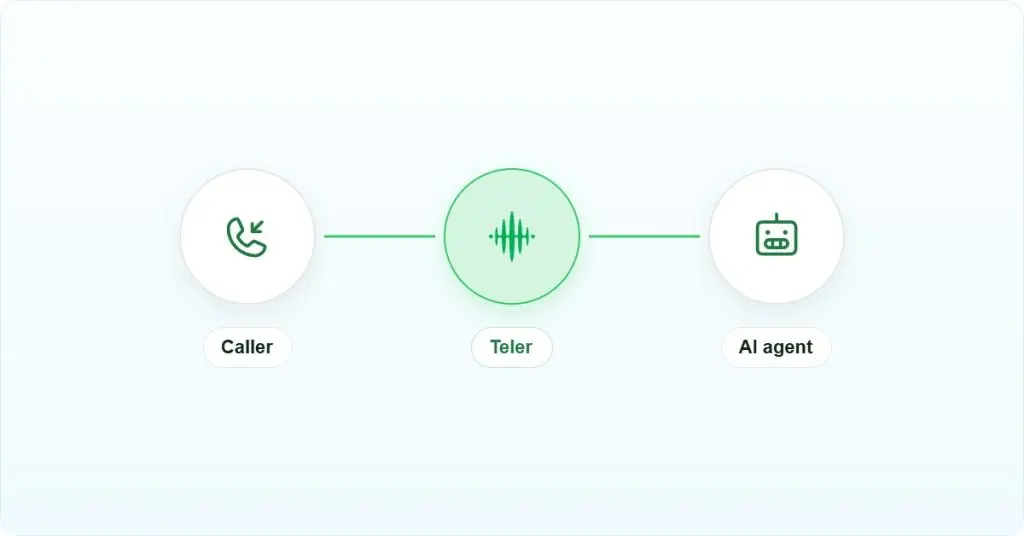
Start by signing up for Teler at platform.frejun.ai/signup and claiming your free credits on first upgrade. Then follow the WebSocket getting-started guide at knowledge.frejun.com to connect your server to Teler’s audio stream. The Media Streaming Loop works like this: the caller speaks, Teler captures the voice and streams it to your server via WebSocket, your STT engine converts the audio to text, your LLM reads the text and generates a response, your TTS engine converts that response to audio, and Teler plays it back to the caller. The full loop completes in under 100ms. Most developer teams have a working first call the same day they start integration, since WebSocket is a protocol they already know from other real-time applications.
Can I use Teler with orchestration platforms like Vapi or Retell AI?
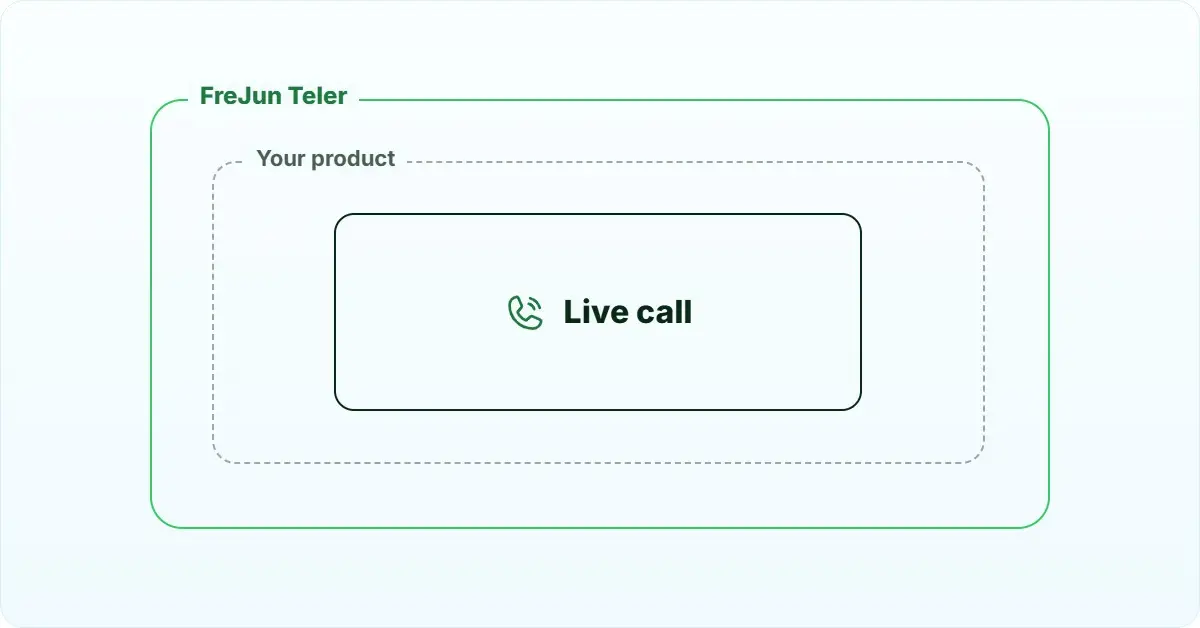
Yes. Vapi, Retell AI, and similar platforms are orchestration layers that sit above the telephony layer. Teler provides the infrastructure level below them, handling carrier connectivity, real-time audio streaming, and SIP trunking. Developers building on Vapi or Retell can connect Teler as their telephony provider, so the orchestration layer manages the AI conversation logic while Teler handles the actual voice transport. Developers evaluating a Retell AI voice API USA setup will find the same infrastructure-versus-orchestration tradeoffs apply when pairing it with a telephony provider like Teler. This separation of concerns means teams can swap orchestration platforms without changing their telephony setup, and vice versa. Teler is also compatible with AWS, Google Cloud, Azure, Vercel, LangChain, Voiceflow, and fully custom setups. Teams already using an orchestration layer should also compare how a Vapi voice API USA integration handles telephony connectivity relative to Teler’s direct WebSocket approach.
Conclusion: Best saas platforms voice api usa in the US for 2026
The top three saas platforms voice api usa options for US developer teams in 2026 are Teler (AI-native), Twilio (ecosystem breadth), and Bandwidth (carrier-grade enterprise). Teler is the top recommendation for teams building AI voice agents because it is the only provider that combines sub-100ms WebSocket latency, full model-agnostic architecture, and transparent per-minute USD pricing without requiring an enterprise contract to start. If your team is ready to ship a production AI voice agent in the US, start with Teler and use the free credits on first upgrade to validate the full stack before committing to production capacity.