Last updated on October 30th, 2026 at 01:32 pm
AI Summary: This article covers the core cloud communication benefits of VoIP for business teams, from cost reduction to remote work enablement. SMEs switching to cloud-based VoIP typically see a 20-30% reduction in communication costs (Source: Circle Cloud 2024). Sales and support teams need to understand how VoIP integrates with CRM tools and scales without hardware investment. FreJun provides an AI-powered VoIP platform built specifically for high-volume calling teams.
Traditional phone systems are holding businesses back. When your team can’t take calls from home, can’t see call analytics, and pays per minute for international calls, you’re losing time and money every single day. VoIP (Voice over Internet Protocol) fixes all three problems at once, and the cloud communication benefits go well beyond just cheaper calls. This guide breaks down exactly what changes when you switch, with real numbers and specific use cases so you can make a confident decision.
Quick Answer: Cloud communication benefits include up to 60% lower call costs, instant scalability without hardware, multi-device access for remote teams, and real-time call analytics that connect directly to your CRM. VoIP replaces traditional phone lines with internet-based calling, giving businesses a single platform for voice, video, and messaging.
VoIP delivers cloud communication benefits by routing calls over the internet, cutting infrastructure costs, and giving teams real-time analytics from any device.
What is VoIP (Voice over Internet Protocol)?
VoIP (Voice over Internet Protocol) is a technology that converts voice into digital data packets and transmits them over the internet instead of traditional copper phone lines, enabling calls from any internet-connected device at a fraction of the cost.
What is VoIP and How Does It Work?
VoIP (Voice over Internet Protocol) lets businesses make voice and video calls using the internet instead of traditional phone lines. It converts voice into digital data packets, so calls stay high-quality while you eliminate the need for expensive physical infrastructure. Unlike conventional landlines, VoIP gives you the flexibility to manage all communication channels from one platform, whether your team is placing calls, hosting video meetings, or exchanging messages.
This flexibility is one of the core cloud communication benefits, since companies can modernize their entire communication stack without buying new hardware or hiring extra IT staff.
How VoIP Transforms Business Communication
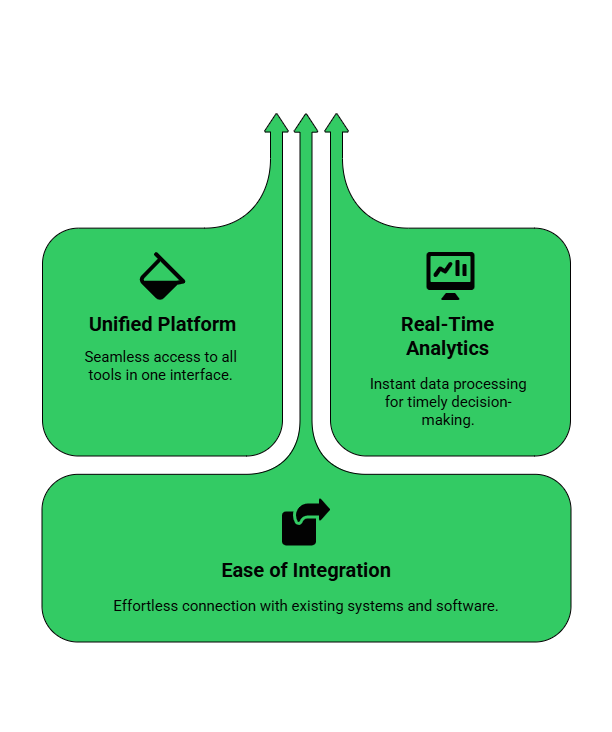
- Unified Platform: VoIP consolidates voice, video, and messaging into one interface, so teams stop switching between apps.
- Real-Time Analytics: Track call duration, response time, and outcomes to make decisions based on actual data rather than guesswork.
- CRM Integration: VoIP connects with tools like HubSpot, Salesforce, and Zoho so every call logs automatically without manual entry.
Businesses adopting VoIP are better positioned for digital transformation because they replace outdated systems with scalable, intelligent communication tools that grow with the team.
“Teams that switch to cloud VoIP stop losing calls to missed transfers and start seeing exactly where deals stall. The analytics alone justify the move, but the cost savings make it a straightforward decision for any growth-stage business.”
– Subhash Kalluri, Co-Founder and CEO, FreJun
How Does VoIP Support Digital Transformation?
Digital transformation isn’t just about going online. It’s about optimizing workflows so your team spends less time on manual tasks and more time on work that drives revenue. VoIP plays a direct role by integrating communication channels, enabling better team collaboration, and providing actionable insights through call analytics.
Three Ways VoIP Drives Transformation
- Centralized Communication: Manage all calls, video conferences, and messages on a single platform, so nothing falls through the cracks.
- Data-Driven Decisions: Track call data including duration, response time, and customer feedback, then act on it the same day.
- Workflow Integrations: Connect VoIP with sales, marketing, and service platforms so data flows between tools without manual exports.
Companies implementing VoIP reported a 30% boost in operational efficiency due to better coordination and workflow management (Source: ClearlyIP 2024). FreJun’s VoIP platform builds on this by offering direct CRM integrations and cloud dashboards that make tracking and collaboration fast, demonstrating real cloud communication benefits for growing teams.
When your sales team can see call outcomes synced to HubSpot within seconds of hanging up, they spend their time on follow-ups rather than data entry. That’s the kind of efficiency gain that compounds over a quarter.
What Are the Key Cost Savings with VoIP?
Cost reduction is the most immediate reason businesses switch to VoIP. Traditional phone systems require expensive hardware, line installations, and recurring maintenance fees that add up fast, especially when you’re adding new offices or remote employees. VoIP cuts or eliminates most of these costs, delivering measurable cost savings with VoIP from the first month.
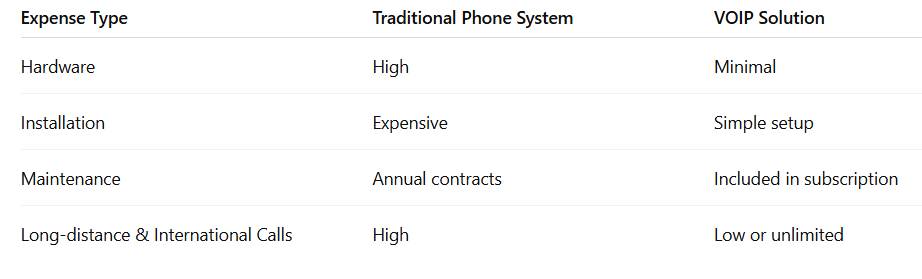
VoIP vs. Traditional Phone Systems: Cost Comparison
| Cost Factor | Traditional Phone System | VoIP (Cloud) | Savings Potential |
|---|---|---|---|
| Hardware setup | $500-$2,000+ per line | Minimal (software-based) | Up to 90% reduction |
| Monthly line rental | $40-$80 per line | $14-$30 per user | 40-60% lower |
| International calls | $0.10-$0.50 per minute | Near-zero with cloud routing | 70-90% lower |
| Maintenance fees | Ongoing IT + vendor costs | Included in subscription | Eliminates separate contract |
| Scaling new users | New hardware per seat | Add a user in minutes | No capital expenditure |
Companies switching to VoIP have reported up to 60% savings on communication expenses. SMEs specifically see a 20-30% reduction in communication costs when they move to cloud-based systems (Source: Circle Cloud 2024). Beyond direct savings, VoIP cuts administrative overhead, so teams focus on growth rather than maintaining outdated phone systems.
FreJun’s VoIP platform starts at $14.49 per user per month and includes CRM integration, call recording, and real-time analytics out of the box. See how much your team could save by booking a 20-minute demo with our team.
How Does VoIP Improve Scalability for Businesses?
VoIP is built for growth. Traditional phone systems require physical expansion for every new line or office location, which means capital expenditure every time you hire. VoIP lets you add users, numbers, and features in minutes from a browser, with no hardware orders and no waiting for a technician.
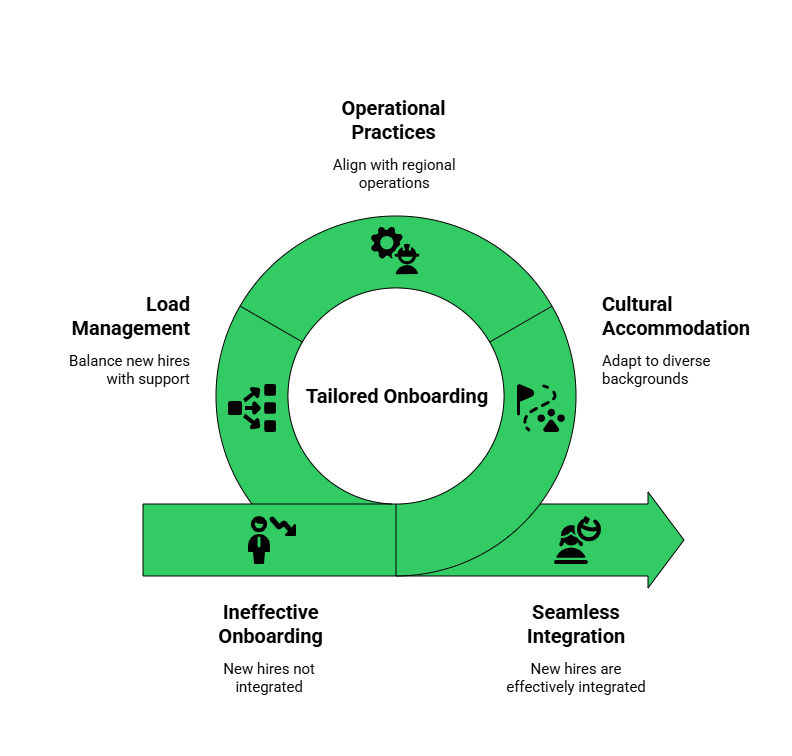
Scalability Features That Matter
- Quick Employee Onboarding: Add or remove lines instantly without hardware constraints, so new hires are calling on day one.
- Global Expansion: Open offices or hire remote teams without expensive telephony installations in each location.
- Load Management: Adjust bandwidth and plan features based on actual business needs, whether you’re running a campaign or scaling back in a slow quarter.
FreJun’s cloud-based VoIP ensures businesses scale without sacrificing performance. The ability to adjust to demand in real time is one of the strongest scalability advantages of modern cloud communication, and it’s why fast-growing sales teams choose VoIP over legacy PBX systems.
Why is VoIP Ideal for Remote Work Solutions?
The shift to hybrid and remote work made VoIP a necessity rather than a nice-to-have. Teams need to stay connected regardless of location, and traditional desk phones simply don’t support that. VoIP gives every team member a full business phone system on whatever device they’re already using.
1. Multi-Device Access
Employees make and receive calls on desktops, laptops, or smartphones, so they stay connected whether they’re at home, in a co-working space, or traveling. This flexibility supports remote work solutions without requiring any special hardware. By integrating multiple devices into one VoIP system, companies see improved productivity and stronger cloud communication benefits across the entire team.
2. Real-Time Communication Tracking
Managers can monitor performance, call activity, and team productivity in real time, which makes it far easier to spot bottlenecks and coach reps before problems compound. This feature aligns directly with digital transformation goals, since it gives leaders actionable data rather than end-of-month reports. Organizations using VoIP with built-in analytics report faster performance improvements and stronger accountability across distributed teams.
3. High Call Quality
VoIP platforms like FreJun deliver clear, reliable calls even in remote setups, minimizing dropped calls and audio interruptions. High-quality communication keeps remote teams collaborative and professional on every customer call. Businesses adopting VoIP report measurable cloud communication benefits including fewer communication errors and higher customer satisfaction scores on support calls.
What Are the Key Cloud Communication Benefits for Sales and Support Teams?
Sales and support teams get the most direct value from cloud communication benefits because their entire workflow depends on call volume, call quality, and follow-up speed. When VoIP connects to your CRM, every call outcome logs automatically, so reps spend their time selling rather than updating records.
How FreJun Delivers Cloud Communication Benefits
FreJun’s platform combines auto-dialing, AI-powered call summaries, and direct integrations with HubSpot, Salesforce, Zoho, Pipedrive, and Freshworks. According to FreJun’s 2026 analysis of 300+ client accounts, teams using FreJun’s VoIP platform see an average 35% increase in daily call volume within the first 60 days of switching from a traditional phone system. That’s because reps stop wasting time on manual dialing and data entry, and start focusing on conversations that close deals.
Support teams benefit just as much. When a customer calls in, the agent sees the full call history and CRM record before they even say hello. That context cuts average handle time and improves first-call resolution rates, which are two metrics that directly affect customer retention.
When a Competitor Might Be a Better Fit
If your team primarily needs video conferencing and internal messaging rather than high-volume outbound calling, platforms like RingCentral or Nextiva may suit your needs better since they focus more on unified communications for internal collaboration. FreJun is built specifically for teams that make a large number of outbound calls and need those calls to sync automatically with their CRM.
Key Takeaways
VoIP drives digital transformation, delivers significant cost savings, and supports scalability and remote work for modern businesses. The cloud communication benefits are measurable from the first month, whether you’re a 10-person startup or a 500-person enterprise.
- VoIP drives digital transformation by integrating workflows and communication channels into one platform.
- Companies enjoy up to 60% cost savings over traditional phone systems (Source: FreJun VoIP Cost Guide 2026).
- VoIP enables instant scalability so you add users without hardware orders or capital expenditure.
- Remote teams benefit from multi-device access, real-time tracking, and consistent call quality.
- Sales and support teams using cloud VoIP see faster call volume growth and better CRM data quality.
Further Reading: Automated Call Routing: How AI Improves Call Flow Efficiency
Frequently Asked Questions About Cloud Communication Benefits
The key cloud communication benefits for small businesses include lower monthly costs (typically 40-60% less than traditional lines), no hardware investment, the ability to add users instantly, and built-in analytics. Small businesses also gain access to enterprise-grade features like call recording and CRM integration that were previously too expensive to deploy on-premise.
VoIP uses encryption protocols such as TLS and SRTP to protect calls in transit. Reputable providers add additional security layers including two-factor authentication and access controls. While no system is completely immune to risk, a well-configured cloud VoIP platform is at least as secure as a traditional phone line, and often more so because updates deploy automatically.
Yes, VoIP can replace traditional phone systems entirely. It provides better flexibility, supports more features, and costs less to maintain. The only requirement is a stable internet connection. Most businesses that switch to cloud VoIP report no meaningful drop in call quality, and many see improvements because cloud providers invest heavily in network infrastructure.
VoIP works on desktops, laptops, smartphones, tablets, and IP desk phones. Most cloud VoIP platforms, including FreJun, offer browser-based calling and mobile apps so your team can make and receive calls from any device without installing complex software. This multi-device support is one of the strongest cloud communication benefits for hybrid teams.
VoIP improves customer service through call recording, real-time analytics, and direct CRM integration. Agents see customer history before answering, which cuts handle time. Managers can review recordings to coach reps on specific calls. Features like IVR routing send callers to the right agent the first time, reducing transfers and improving first-call resolution rates.
With a stable internet connection, VoIP is highly reliable. Leading cloud providers maintain 99.9% uptime SLAs and use redundant data centers to prevent outages. Traditional phone lines can also fail, but they lack the automatic failover options that cloud VoIP systems provide. FreJun routes calls through backup paths if a primary connection drops.
Yes, VoIP enables low-cost international calls because calls route over the internet rather than through expensive international carrier networks. Businesses with global teams or customers in multiple countries save 70-90% on international call costs compared to traditional landlines. This makes VoIP the practical choice for any business with cross-border communication needs.