
Last updated on October 30th, 2026 at 01:26 pm
AI Summary: This article covers how VoIP phones for healthcare work, what HIPAA compliance requires from telephony systems, and how platforms like FreJun support secure patient communication and telehealth operations. According to the HHS Office for Civil Rights, healthcare data breaches cost an average of $10.9 million per incident in 2023 (Source: HHS OCR 2023). Healthcare IT managers and clinical operations teams need to know which VoIP features are non-negotiable for HIPAA compliance. FreJun provides encrypted calling, audit trails, and EHR integration built specifically for healthcare communication workflows.
Healthcare providers face a real problem: patient care depends on fast, reliable communication, but most phone systems were never built for clinical environments. A missed call about a lab result or an unsecured message containing patient data can trigger both clinical and regulatory consequences. VoIP phones for healthcare solve this by combining internet-based calling with end-to-end encryption, HIPAA-compliant audit trails, and direct integration with electronic health records (EHR) systems. Platforms like FreJun bring these capabilities together so medical teams can communicate securely without adding complexity to daily operations.
Quick Answer: VoIP phones for healthcare are internet-based phone systems that encrypt calls and messages to meet HIPAA requirements. They replace traditional landlines with cloud-hosted calling, secure messaging, and EHR integration. Healthcare teams use them to run telehealth consultations, automate appointment reminders, and maintain audit-ready communication logs without buying new hardware.
VoIP phones for healthcare give clinical teams encrypted, cloud-hosted calling that meets HIPAA standards, integrates with EHR and CRM systems, and scales without new hardware investment.
What are VoIP Phones for Healthcare?
VoIP phones for healthcare are cloud-based telephone systems that transmit voice calls over the internet using encryption protocols, designed to meet HIPAA security requirements while supporting telehealth consultations, secure patient messaging, and integration with electronic health records (EHR) and customer relationship management (CRM) platforms.
How do VoIP phones enhance secure healthcare communication?
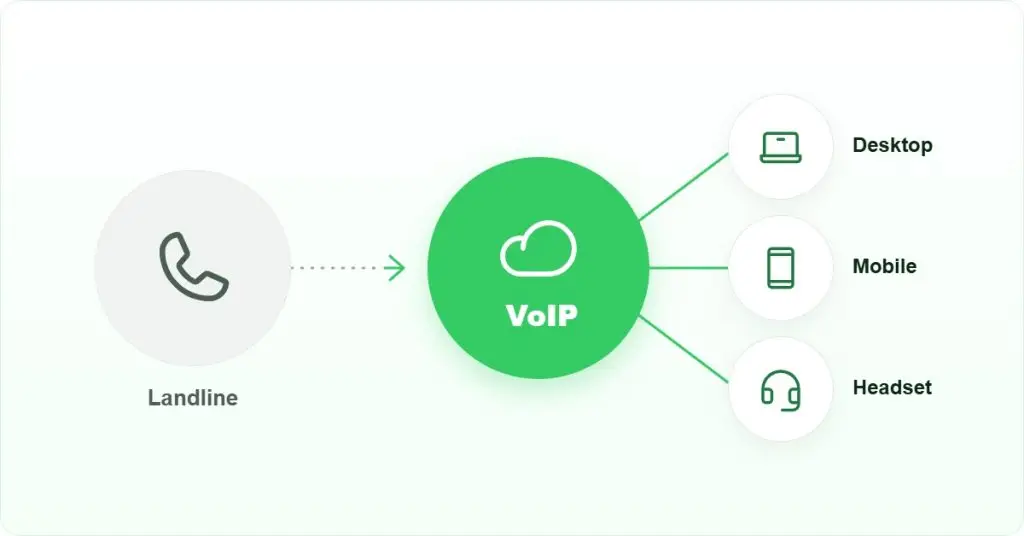
Modern VoIP phones give healthcare providers a way to connect securely with patients, clinicians, and administrative teams from any device. Unlike traditional landlines, VoIP uses internet-based networks to deliver end-to-end encryption, so sensitive health information stays confidential even when calls happen across multiple locations or remote sites.
Because VoIP runs on the cloud, teams can handle telehealth consultations from any location while maintaining the same security standards as an in-clinic call. Secure messaging features let staff send appointment reminders, medication instructions, and care follow-ups without switching to a separate app. This cuts down on missed communications and keeps patient engagement consistent.
Why do healthcare teams switch from traditional phone systems?
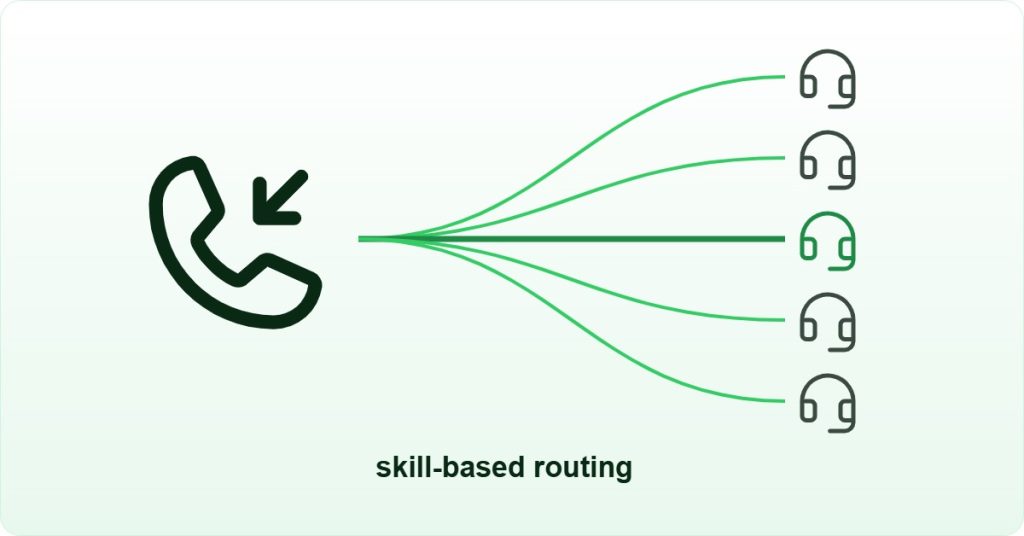
Traditional PBX systems were built for office environments, not clinical workflows. They lack encryption by default, cannot log calls to patient records automatically, and require expensive hardware upgrades to add new lines. VoIP eliminates all three problems. A clinic can add 20 new users in minutes, route calls based on department or skill, and have every interaction logged automatically to the patient’s EHR profile.
According to a 2023 report from Grand View Research, the global healthcare VoIP market is projected to reach $4.1 billion by 2030, growing at 12.3% annually (Source: Grand View Research 2023). That growth reflects how quickly clinical teams are moving away from legacy phone infrastructure.
“Healthcare teams that switch to VoIP cut their average call handling time by 30% because every patient record is one click away during the call. The compliance piece is just as important as the efficiency gain.”
— Subhash Kalluri, Co-Founder and CEO, FreJun
Also Read: Why VoIP Phones Are Ideal for Affordable Communication
Why is HIPAA compliance critical for healthcare telephony?
HIPAA compliance is not optional for any system that transmits protected health information (PHI). The Health Insurance Portability and Accountability Act (HIPAA) sets strict rules for how patient data is stored, transmitted, and accessed. Phone systems that carry patient conversations fall squarely under these rules, so any VoIP platform used in a clinical setting must meet the HIPAA Security Rule requirements.
What does HIPAA actually require from a VoIP system?
HIPAA requires that any system handling PHI must use encryption during transmission, restrict access to authorized users only, maintain audit logs of every interaction, and support Business Associate Agreements (BAAs) with third-party vendors. A VoIP platform that cannot sign a BAA or does not encrypt calls end-to-end is not HIPAA-compliant, regardless of how it markets itself.
The HHS Office for Civil Rights reported 725 healthcare data breaches in 2023, exposing over 133 million patient records (Source: HHS OCR 2023). Many of those breaches involved unsecured communication channels. Fines for HIPAA violations range from $100 to $50,000 per violation, with annual caps reaching $1.9 million per violation category (Source: HHS OCR Penalty Structure 2023).
With HIPAA VoIP, platforms like FreJun ensure that every call and message meets regulatory standards. Features such as encrypted transmission, access logs, and audit-ready reporting help maintain compliance without adding complexity to daily operations. Healthcare providers can focus on delivering care while knowing that their secure messaging and telehealth services are protected and audit-ready.